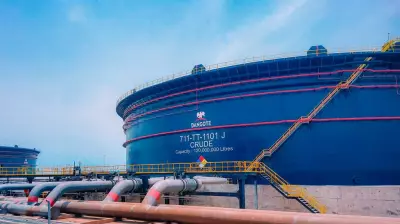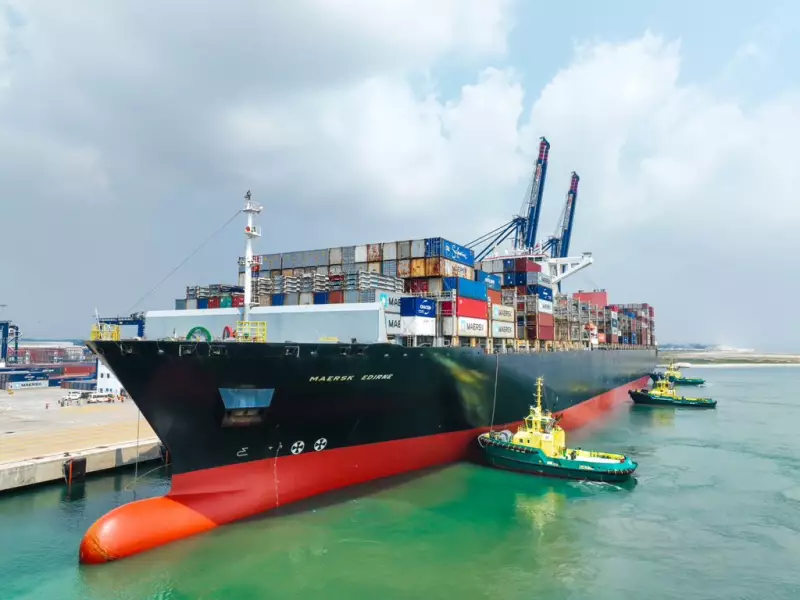
The Nigerian Ports Authority (NPA) has announced a significant influx of cargo ships heading for Lagos, a move set to bolster the supply of essential commodities across the country. According to the authority's latest data, a total of 32 vessels carrying vital goods including petroleum products and food items are scheduled to arrive at the ports of Lagos over the coming weeks.
Detailed Schedule of Expected Arrivals
In its official Daily Shipping Position report, the NPA disclosed that the incoming fleet is expected to berth at the Apapa, Tin-Can Island, and Lekki Deep Sea Ports between January 12 and January 30, 2026. The diverse cargo manifest for these expected ships includes:
- Crude oil and condensate
- Aviation fuel and gasoline
- Bulk bitumen and bulk urea
- General cargo and various containerized goods
- Petrol and raw oil
Current Port Activity and Discharge Operations
The NPA report also provides a snapshot of current operations, indicating a bustling port environment. As of the latest update, 10 ships and tanker vessels have already arrived and are awaiting berthing space. These vessels are laden with diesel, crude oil, bulk wheat, petrol, fresh fish, raw oil, containers, and bulk salt.

Simultaneously, an even larger number of ships are actively offloading their cargo. The authority noted that 31 vessels are currently discharging goods at the Tin-Can, Apapa, and Lekki port complexes. The items being unloaded are critical for the nation's economy and food security:
- Bulk fertiliser and bulk wheat
- Diesel and petrol
- Soya beans and bulk urea
- Bulk salt and liquefied gas
- Fresh fish and general merchandise
- A wide array of containerised goods
Ensuring Steady and Efficient Cargo Flow
The NPA emphasized that activities across the three major Lagos ports remain steady and robust. The authority is actively coordinating efforts to ensure the efficient handling and movement of all cargoes through the terminals. This coordinated logistics operation is crucial for preventing delays and ensuring that these essential commodities reach the market and end-users in a timely manner, supporting both economic activity and national supply chains.
The scheduled arrival of these 32 vessels, combined with the ongoing discharge operations, highlights the critical role Lagos ports play as the primary gateway for Nigeria's imports. It underscores a continuous flow of goods aimed at meeting the country's energy, agricultural, and manufacturing needs.