The Nigerian government has declared it will not reinstate fuel subsidies or impose price controls despite rising petrol costs. Instead, the Dangote Refinery, independent marketers, and global crude oil trends will determine pump prices.
Government Stance on Fuel Pricing
Finance Minister Taiwo Oyedele stated in Paris, where President Bola Tinubu met global investors, that subsidies distort the economy and price controls are not needed. “We will not bring back subsidy because it brings distortion for the economy, and we won’t introduce price control because we believe in the market,” he said.
Current Fuel Price Surge
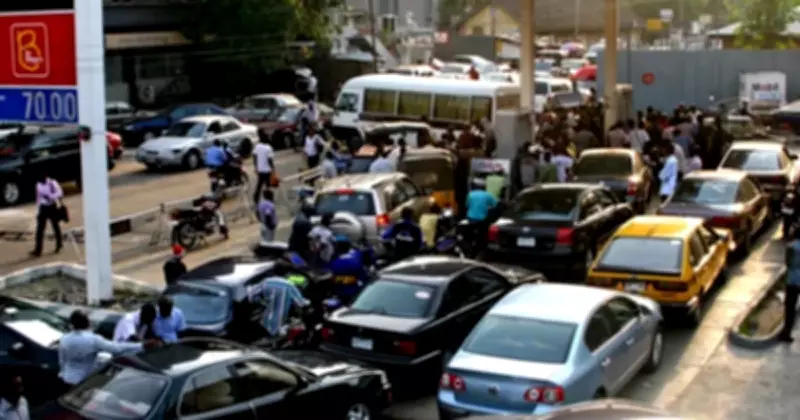
The Dangote Refinery has raised its ex-depot price to N1,350 per litre, up from N1,275 a week ago. Consequently, pump prices across Nigeria range between N1,100 and N1,400 per litre, with some northern and border areas reaching nearly N1,700 per litre.

Global Factors Driving Costs
The surge is linked to Middle East tensions, particularly around the Strait of Hormuz, which pushed Brent crude from $105 to $118 per barrel in late April. This forced Dangote to adjust pricing and briefly halt sales to marketers, disrupting supply schedules.
Government’s Market-Driven Approach
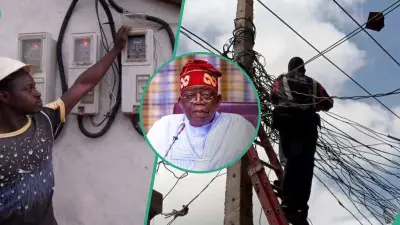
Oyedele emphasized that market forces, not government intervention, will regulate prices, though regulation will prevent exploitation. President Tinubu described the old subsidy as “a burden to the entire country” and pointed to foreign exchange stability as proof of reform success.
Economic Impact
Since subsidy removal in May 2023, headline inflation jumped from 22.41% to 34.19% by June 2024, driven by rising fuel, food, and transport costs. Taxi drivers have already raised fares, and passengers urge government action to prevent further hardship.
Oyedele framed the Iran-US tensions as an opportunity for Nigeria to boost crude exports as global buyers diversify supply sources.