The Nigerian automotive market is undergoing a significant transformation, with dealers reporting a steep decline in the demand for traditional petrol and diesel-powered vehicles. This shift is prompting a major strategic rethink, with industry leaders now actively exploring electric and gas-powered cars as the future of transportation in the country.
Market Forces Drive Strategic Pivot
The National President of the Association of Motor Dealers of Nigeria (AMDN), Mr Ajibola Adedoyin, confirmed this trend in a recent interview. He explained that dealers are being forced to reassess their business models due to changing consumer behavior. A key factor is that many Nigerians are now choosing to refurbish and maintain their existing cars rather than invest in new purchases, even amidst a relatively stable exchange rate.
Adedoyin revealed that the association is looking to promote several alternatives. These include made-in-Nigeria vehicles, electric cars, and gas-powered models. He emphasized that while electric vehicles face current hurdles in Nigeria, they represent a viable long-term direction for the industry.

Overcoming EV Adoption Hurdles
Industry stakeholders acknowledge that widespread acceptance of electric vehicles is still a work in progress. Key concerns cited by dealers and consumers alike include battery performance, maintenance challenges, and a lack of widespread charging infrastructure.
Another dealer, Mr Chinonso Amariwu from Berger Car Market, echoed these sentiments. He confirmed the noticeable drop in demand for fossil fuel vehicles and a gradual increase in interest for EVs. Dealers are actively working to build technical expertise and address durability concerns as part of their expansion plans into the electric vehicle segment.
Despite the challenges, Adedoyin remains optimistic. "Electric cars may have some disadvantages at the moment because they are not yet fully integrated into our system, but they remain a viable option that can be promoted as the next phase of transportation," he stated.
Government and Private Sector Initiatives
The shift is being supported by both government policy and private investment. The federal government has pledged support to local manufacturers of electric vehicles, following its backing of companies like Innoson and Saglev Electromobility Company Limited. This support focuses on local content, technology transfer, and job creation.
In a significant move, President Bola Tinubu recently commissioned 3,620 electric vehicles to improve affordable transport in Borno State.
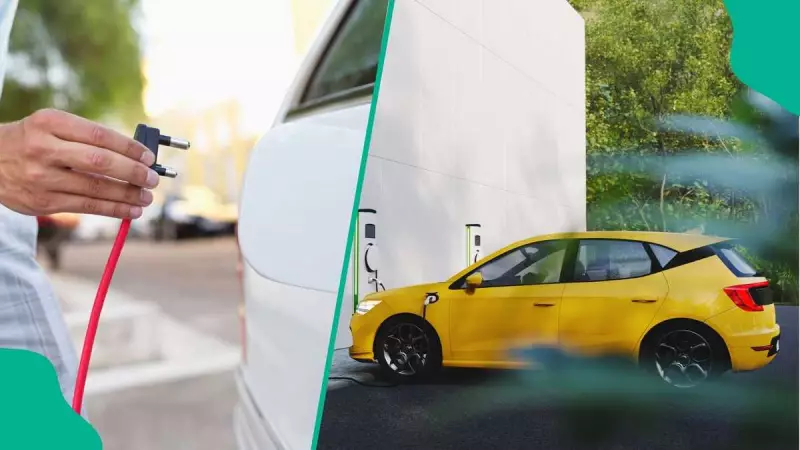
On the infrastructure front, the private sector is stepping up. Automaker company LUG West Africa has unveiled plans to deploy over 250 EV charging stations in Lagos by 2026. This project, which includes a local assembly plant for street lighting infrastructure, is expected to boost renewable energy development and create jobs.
Commenting on a separate policy, Adedoyin downplayed the potential impact of the Nigeria Customs Service's new rule on temporary vehicle importation. He suggested it would likely only benefit travellers from neighbouring countries, having a limited effect on the local market.
The collective moves by dealers, the government, and infrastructure companies signal a pivotal moment for Nigeria's automotive sector, steering it towards a more sustainable and technologically advanced future.