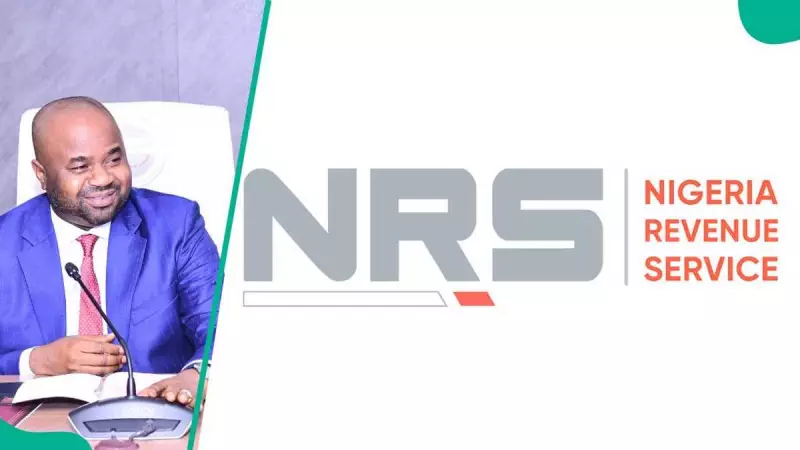
Nigeria's approach to collecting national revenue has undergone a fundamental and quiet transformation, marking a pivotal shift in the country's fiscal policy landscape. The formal transition from the Federal Inland Revenue Service (FIRS) to the newly established Nigeria Revenue Service (NRS) is now complete, representing what officials describe as a cornerstone reform for the nation's economy.
A Strategic Overhaul Beyond a Name Change
According to Arabinrin Aderonke Atoyebi, the Technical Assistant on Broadcast Media to the NRS Executive Chairman, this move is far more significant than a simple rebranding. She characterized it as "a defining moment in the evolution of Nigeria’s tax administration," built upon principles of operational efficiency, fairness, and sustainable national development. The process, which culminated in the NRS becoming fully operational after President Bola Tinubu signed the Nigeria Revenue Service Establishment Act 2025 into law in June, was meticulously managed to prevent any disruption in revenue collection.
Atoyebi emphasized that existing systems, staff, and processes were carefully integrated into the new framework. The initial phase concentrated on harmonizing internal structures, redefining roles, and instilling a service-oriented culture. With this foundation set, the agency, under the leadership of Executive Chairman Zaach Adedeji, is now poised to shift its focus squarely to performance and public engagement.

Technology and Taxpayer Fairness at the Core
The blueprint for the new NRS heavily prioritizes the aggressive use of technology to modernize every facet of tax administration. The goal is to utilize digital platforms for seamless registration, filing, and payment, while employing data analytics and automation to minimize errors and curb revenue leakages. Risk-based compliance strategies powered by this data aim to strengthen enforcement while simultaneously making the system more transparent and predictable for all stakeholders.
Equally critical to the reform is a renewed emphasis on equity and easing the compliance burden. The NRS has stated its intention to implement simplified tax regimes and provide clearer guidance, particularly for low-income earners, small businesses, and the informal sector. This strategy is designed to encourage voluntary compliance and broaden the tax base without hindering economic activity. Atoyebi succinctly captured this philosophy, stating the Service is committed to "taxing profits, not survival; taxing growth, not struggle."
The Road Ahead for Revenue Collection
With the internal restructuring phase largely complete, the NRS is entering a chapter defined by delivering tangible results. The forthcoming priorities include enhancing operational efficiency, strengthening compliance mechanisms, and fostering deeper, more constructive engagement with taxpayers. The ultimate objective extends beyond merely increasing collection figures; it is to cultivate a system built on trust, accountability, and a shared sense of civic responsibility.
Atoyebi framed taxation as a pact between the government and citizens, where fair treatment of taxpayers and responsible management of public funds are essential for delivering societal benefits. The emergence of the NRS, therefore, opens a new chapter with the potential to fundamentally reshape how revenue is collected and perceived across Nigeria, leveraging a mix of strategic leadership, cutting-edge technology, and crucial public confidence.