Gender roles in Nigerian culture are a complex and evolving landscape, shaped by deep-rooted traditions, religious beliefs, and the powerful forces of modernity and economic necessity. Across the nation's diverse communities, from the bustling streets of Lagos to the rural villages of the north, expectations for men and women are being actively negotiated every day.
The Traditional Framework and Its Variations
Historically, Nigerian societies organized gender roles around complementary functions within the extended family system. Men were typically cast as providers, protectors, and primary decision-makers, while women managed the domestic sphere, child-rearing, and often contributed significantly to the family's economic well-being through farming or trade.
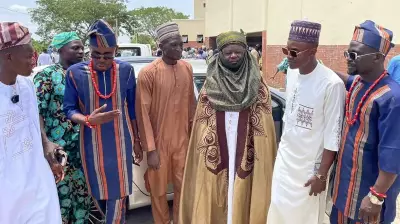
However, these patterns were never monolithic. Significant variations existed and still exist across ethnic groups. Among the Yoruba, women historically held considerable economic and political power through market trading systems, with the iyalode (market women leaders) wielding real authority. In Igbo society, organizations like the Umu Inyom provided married women with mutual support and a platform to regulate community concerns, possessing sanctioning power. In Northern Nigeria, particularly Hausa-Fulani communities, Islamic principles more directly shaped expectations, influencing practices like purdah (female seclusion), though women still engaged in economic activities from within compounds.

The Contemporary Negotiation of Roles
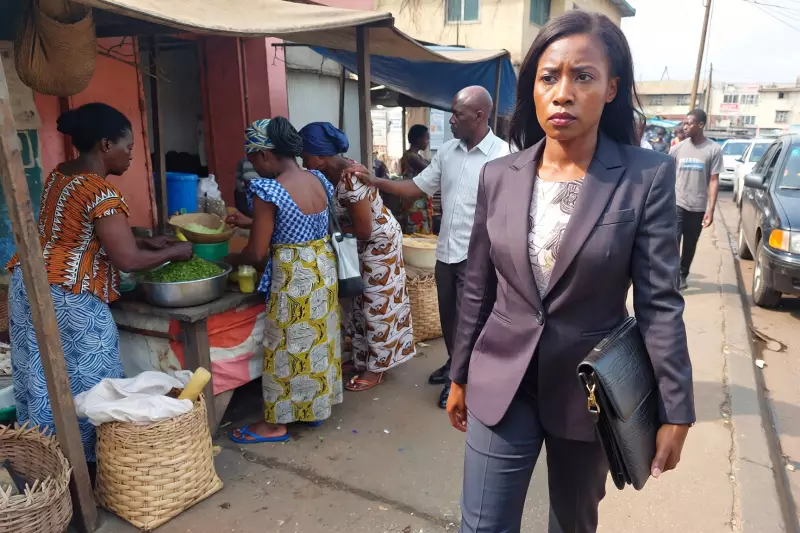
Today, Nigerian gender roles are in a state of significant transition. Walk through any major city and you witness this negotiation. Women hold senior professional positions while often still bearing the primary responsibility for household management—a phenomenon known as the "double shift." Research suggests that even in dual-income homes, women spend an average of 4.5 hours daily on domestic work, compared to men's 1.8 hours.
Education is a major driver of change. Nigerian women now outnumber men at universities in many disciplines, pursuing careers as doctors, lawyers, and entrepreneurs. Yet, they frequently face social pressure to prioritise marriage and motherhood. Financially, the expectation for men to be the primary breadwinner remains strong, creating pressure even when women earn substantial incomes. This leads to contradictions where women's economic contributions are essential yet often downplayed to maintain the social fiction of male provision.
7 Key Factors Shaping Nigerian Gender Dynamics
To truly understand gender roles in Nigeria, one must consider several intersecting factors:
- Ethnic Variations: Expectations differ markedly between Yoruba, Igbo, Hausa-Fulani, and other groups. What is appropriate in one context may not be in another.
- Religious Influences: Both Christianity and Islam shape roles, with interpretations ranging from conservative to progressive within each faith.
- Generational Divides: A 2023 survey found that 67% of Nigerians aged 18-35 believe chores should be shared equally, compared to just 31% of those over 50.
- Urban-Rural Splits: Cities like Lagos and Abuja offer more space for non-traditional arrangements than rural agricultural communities.
- Economic Realities: Financial necessity often forces practical compromises, making women's income-generation essential and quietly bending traditional norms.
- Educational Attainment: Higher education strongly correlates with more egalitarian views on gender for both men and women.
- Legal Frameworks: Policies like Nigeria’s National Gender Policy (2021-2026) demonstrate government commitment to equality, though practice often lags behind.
Real-World Examples and Pressures
These dynamics play out in daily life. Consider the professional woman who wakes at 4:30 AM to prepare her family's meals before a demanding executive role. Or the man working three jobs to uphold the breadwinner ideal, even when his wife earns more. The marriage market also reflects deep-seated expectations, where women face intense pressure to marry regardless of professional success, and men are judged on their financial readiness.

Inheritance practices highlight another tension. Across many ethnic groups, male heirs traditionally inherit the bulk of family property, a custom that persists despite legal frameworks aimed at protecting women's rights, often leaving daughters who contributed to parental care with minimal shares.
The Path Forward
The future of gender roles in Nigeria lies at a fascinating crossroads. Traditional expectations remain powerful, reinforced by family, religion, and social structures. Yet, countervailing forces—women's education, economic participation, global conversations, and youth attitudes—are pushing for change. The likely outcome is not a simple adoption of Western models but a distinctly Nigerian synthesis, one that respects cultural continuity while embracing necessary evolution towards greater partnership and equality.
Government initiatives, like the Federal Ministry of Women Affairs' plan to empower 10 million women, signal official recognition of the importance of gender equality for national development. Ultimately, the transformation will be driven by the daily choices of millions of Nigerians, especially the younger generation, as they model new ways of balancing tradition with contemporary realities.