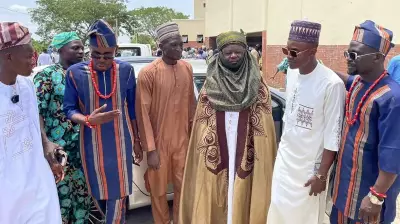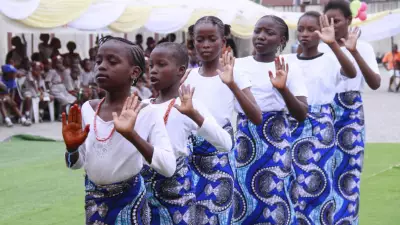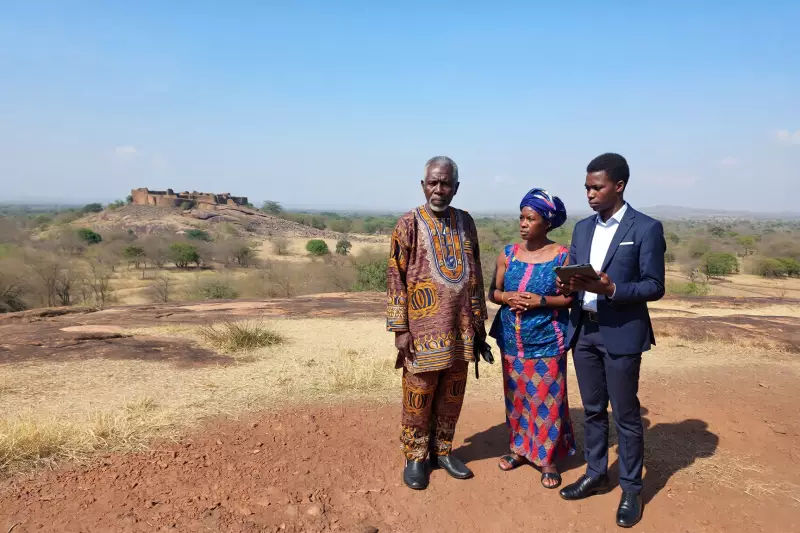
After eighteen months of intensive investigation, a comprehensive study into Nigerian origins has delivered a powerful conclusion: Nigerians are primarily descended from indigenous West African populations who have inhabited the region for tens of thousands of years. This research, which examined archaeological records, genetic data, and traditional histories, challenges long-held myths and provides a scientifically-grounded narrative of Nigeria's deep and complex heritage.
The Archaeological and Genetic Evidence
The findings are clear and robust. The National Population Commission acknowledges continuous human habitation in Nigeria for at least 9,000 years, with some evidence pushing that timeline back dramatically. Crucially, genetic studies indicate that anatomically modern humans have lived in West Africa, including present-day Nigeria, for a staggering 65,000 years.
This research dismantles several popular but unfounded theories. Contrary to persistent myths, the Yoruba people are not originally from ancient Egypt, and the Igbo are not descended from a lost tribe of Israel. The evidence shows these are indigenous West African peoples whose cultures developed in situ over millennia.

The study highlights advanced civilizations that flourished entirely from local innovation. The Nok culture (1000 BCE to 300 CE) possessed sophisticated ironworking and artistic traditions. The Ife civilization mastered bronze casting techniques in the 12th century CE that Europe would not match for another 300 years. The Benin Empire built an urban centre described by European visitors as cleaner and better organized than London of the same period.
The Genetic Reality: Overwhelmingly West African
When it comes to DNA, the results are unequivocal. Analysis of genetic data from thousands of Nigerians, including a major 2019 study published in Nature, shows a consistent pattern: Nigerians share 95-100% West African ancestry.
The notion of significant external genetic mixing is largely a misconception. The colonial era and centuries of trade did not significantly alter Nigeria's genetic makeup. Intermarriage was far less common than often assumed. Instead, the most substantial genetic mixing in Nigerian history is internal—between different Nigerian ethnic groups.
Urbanization over the past 50 years has accelerated this internal blending. In cities like Lagos, Abuja, and Port Harcourt, interethnic marriages are creating a new generation of Nigerians who are "mixed" in the local sense—carrying heritage from multiple indigenous ethnic groups like Yoruba, Igbo, Hausa, or Ijaw.
Major Ethnic Groups and Their Ancient Roots
The research catalogues the extraordinary time depth of Nigeria's ethnic diversity, which the Federal Ministry of Foreign Affairs notes encompasses over 250 groups. Some key communities include:
- Hausa: Over 1,000 years of documented history in northern Nigeria.
- Yoruba: A presence in southwestern Nigeria for over 1,500 years.
- Igbo: Communities in southeastern Nigeria existing for at least 2,000 years.
- Ijaw: One of Nigeria's oldest continuously existing groups, with over 3,000 years in the Niger Delta.
- Fulani: Pastoralists who migrated into Nigeria from further west in Africa 500-700 years ago.
These groups, along with hundreds of others, emerged through millennia of separate community development, migration patterns, and cultural evolution within West Africa itself.
Practical Steps to Trace Your Nigerian Ancestry
For individuals seeking to understand their personal lineage, the study recommends a multi-faceted approach due to the limitations of any single method.
First and most urgent is to interview elderly family members and record their knowledge of family history, village origins, and migration stories. This oral history is irreplaceable.
Investigating your ancestral village and connecting with local historians can yield lineage information stretching back generations. Analysing traditional naming patterns also provides strong clues to ethnic origins.

While commercial DNA testing from companies like AncestryDNA or 23andMe can confirm broad West African ancestry, it currently has significant limitations. These tests cannot reliably distinguish between specific Nigerian ethnic groups like Igbo or Yoruba with high precision because of shared genetic markers from common heritage.
The future of this research is promising. Projects like the African Genome Variation Project are building more comprehensive databases. In the coming years, genetic testing may provide much more specific ethnic identification, allowing Nigerians to connect with even greater clarity to the ancient and sophisticated civilizations from which they descend.
Ultimately, this research affirms that Nigerian heritage is a story of indigenous African achievement. It is a legacy of the Nok artists, Ife bronze casters, Benin architects, Hausa scholars, and countless other communities who built, created, and thrived in West Africa for tens of thousands of years.