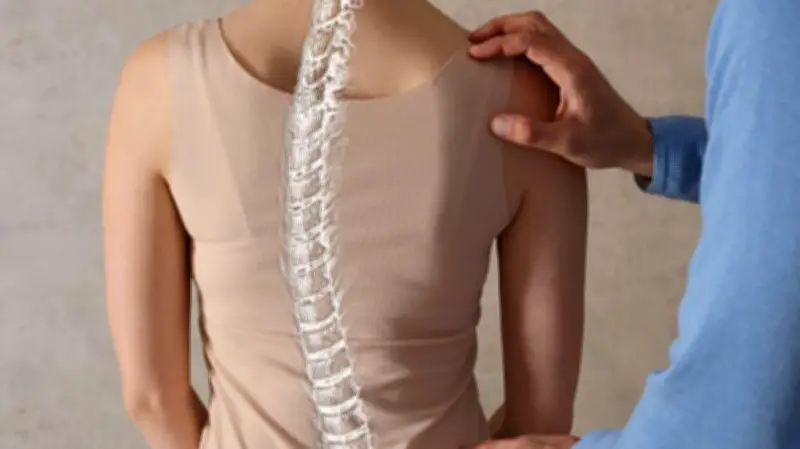
The Scoliosis Foundation, in partnership with Gbagada General Hospital in Lagos, has conducted a training program for teachers and health workers focused on the early detection of scoliosis. This initiative precedes the observance of World Scoliosis Day on June 26.
Training Objectives and Scope
Dr Ayomide Akintan-Adejuwon, founder of the foundation and Senior Medical Officer II at Gbagada General Hospital, stated that the training aimed to equip teachers, nurses, and doctors with the skills to identify early signs of scoliosis and refer affected children for timely treatment before the condition worsens. The event took place at Gbagada General Hospital and included lectures, case discussions, and practical sessions using a scoliometer—a device for measuring spinal curvature.
Focus on Early Detection
“We are marking World Scoliosis Day alongside the international community. Before the commemoration, we decided to organise a screening training programme focusing on doctors, nurses and school teachers because early detection remains key to preventing the progression of the condition,” Akintan-Adejuwon explained. She noted that teachers from private schools and representatives of the Lagos State education sector were invited to enhance awareness and early identification of scoliosis among schoolchildren.

The training also aimed to reduce the stigma faced by individuals living with scoliosis and encourage them to seek treatment and support. Akintan-Adejuwon disclosed that the foundation would hold an awareness walk and conference on June 26 as part of World Scoliosis Day activities. Approximately 50 to 60 students from five or six schools are expected to attend, along with teachers, doctors, nurses, family members, and the public. “We are expecting over 250 people. The day will begin with an awareness walk within the Gbagada community before the conference,” she said.
Expert Insights on Scoliosis
Orthopaedic surgeon and Secretary-General of the Medical Guild, Dr Charles Aisudo, described scoliosis as a three-dimensional deformity of the spine. He clarified that carrying heavy school bags does not cause scoliosis, contrary to popular belief, though it may contribute to other back problems. “There is a common misconception that heavy backpacks cause scoliosis. They do not. However, they can lead to other back problems and discomfort,” he said.
Aisudo highlighted genetics as a major risk factor for scoliosis and noted that adolescents undergoing rapid growth are more susceptible. He explained that scoliosis is often painless in early stages and is typically detected through visible signs such as uneven shoulders, an uneven waistline, and abnormal spinal curvature. Treatment options depend on severity and may include observation, bracing, or surgery. Severe cases can affect the chest cavity and interfere with breathing, increasing the risk of respiratory complications. The orthopaedic surgeon also conducted a practical clinical training session using a scoliometer for attending doctors.
Virtual Keynote and Multidisciplinary Approach
Joining virtually from Harvard University, spine surgeon and researcher Dr Mutaleeb Ayodele Shobode delivered a keynote presentation on scoliosis. He educated attendees on causes, symptoms, and management, shared presentations on individuals living with scoliosis, and debunked several myths about the disorder. Doctors from the physiotherapy, paediatrics, and psychiatry departments also presented on caring for people with scoliosis and the support available to them.