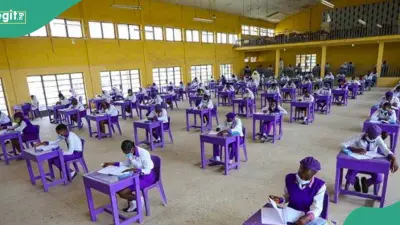
The Jigawa State Government has unveiled an Artificial Intelligence-powered education system designed to help pupils continue learning from home when they are unable to attend school due to farming activities, bad weather and other disruptions.
AI-Powered Learning for Rural Communities
The initiative, introduced under the state's JigawaUNITE education programme in partnership with NewGlobe, is expected to support thousands of pupils across public basic schools while also improving classroom teaching and education management. According to state officials, the AI-powered system will provide home-based learning support to children who miss classes, ensuring they do not fall behind academically when circumstances prevent them from attending school.
The technology is particularly targeted at rural communities where pupils sometimes miss school because they are assisting their families with farm work, travelling long distances, or facing weather-related challenges. Officials said the system can deliver lessons directly to pupils outside the classroom, helping them stay connected to learning even when they are absent from school.

Support for Teachers and Administrators
Beyond supporting students, the AI platform is also designed to assist teachers by providing real-time instructional guidance, classroom coaching and performance monitoring tools. Education administrators will also benefit from the technology through access to real-time data that can help identify learning gaps, monitor school performance and improve decision-making.
One of the key features of the initiative is an AI platform known as COGNITION, which allows education officials to ask questions about the school system and receive instant responses based on data collected from classrooms across the state.
Modernising Public Education
The Chairman of the Jigawa State Universal Basic Education Board, Professor Haruna Musa, said the deployment of artificial intelligence marks a significant step in the state's efforts to improve learning outcomes and modernise public education. According to him, the technology will help ensure that children in remote communities receive the same quality of educational support as their counterparts in urban areas.
The initiative is part of broader efforts by the state government to strengthen digital learning and improve access to education through technology-driven solutions. In recent years, Jigawa has invested in smart school projects, ICT-enabled classrooms, digital learning infrastructure and innovation hubs as part of its education reform programme. Officials believe the latest AI deployment could transform the way teaching and learning are delivered in public schools, particularly in rural communities where access to educational resources has traditionally been limited.
By combining classroom instruction with AI-powered support, the state hopes to reduce learning loss, improve academic performance and ensure that more children remain engaged in education regardless of the challenges that keep them away from school. The initiative is also expected to provide valuable data that can help policymakers make informed decisions about resource allocation and future education interventions across the state.