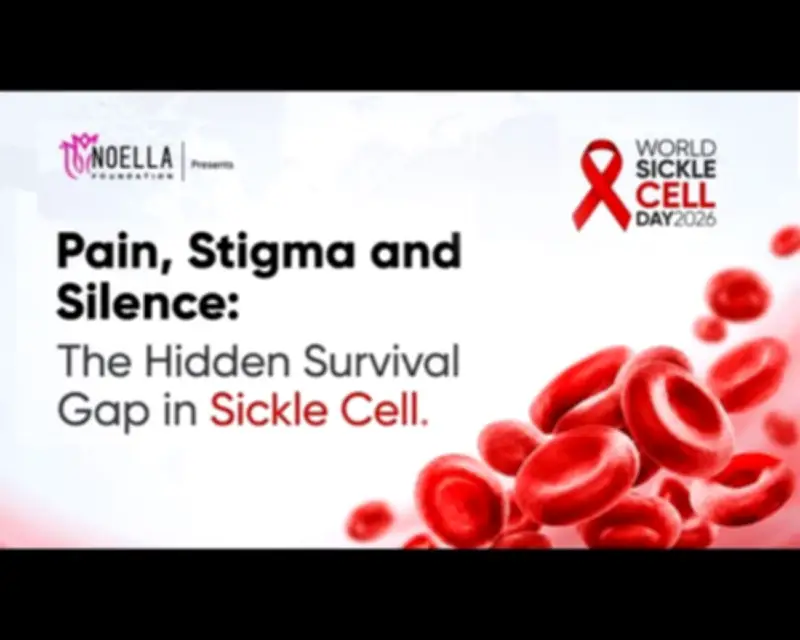
Survival Gap in Sickle Cell Anaemia: A Crisis of Pain and Stigma
Sickle cell anaemia (SCA) patients in Nigeria face a hidden survival gap, with many dying before the age of 5 due to a combination of pain, stigma, and silence, according to healthcare experts. The condition, which affects millions globally, is particularly severe in Nigeria, where over 150,000 children are born with SCA annually, making it the country with the highest burden of the disease worldwide.
Early Death and Lack of Awareness
Dr. Adeyinka Adeniran, a haematologist at the Lagos University Teaching Hospital, stated that "most children with sickle cell anaemia in Nigeria die undiagnosed or untreated before their fifth birthday." He attributed this to a lack of awareness, inadequate healthcare infrastructure, and cultural stigma that discourages families from seeking proper medical care. The survival gap is stark: while in developed countries, over 90% of children with SCA survive into adulthood, in Nigeria, the figure is below 50%.
The Role of Stigma and Silence
Stigma surrounding sickle cell disease often leads to silence within families and communities. Many parents hide their child's diagnosis due to fear of discrimination or being blamed for the condition. This silence prevents early intervention and access to treatments like hydroxyurea, which can reduce pain crises and improve survival. "The silence is deadly," said Dr. Adeniran. "Families need to speak up and seek help, but the stigma is so deep-rooted that many suffer in silence."

Pain Management Challenges
Pain crises are a hallmark of SCA, but in Nigeria, access to effective pain management is limited. Many hospitals lack opioids and other pain relief medications, forcing patients to endure excruciating pain without adequate treatment. This not only affects quality of life but also leads to frequent hospitalizations and increased mortality. According to the Sickle Cell Foundation of Nigeria, over 70% of SCA patients report inadequate pain control during crises.
Call for Action
Experts are calling for a multi-pronged approach to address the survival gap: increased public awareness campaigns to reduce stigma, better training for healthcare workers, and improved access to essential medicines like hydroxyurea and pain relievers. The government must also invest in newborn screening programs to ensure early diagnosis and intervention. "We cannot continue to lose children to a disease that is manageable with proper care," Dr. Adeniran emphasized.
Conclusion
The hidden survival gap in sickle cell anaemia is a tragedy of preventable deaths. Breaking the silence and fighting stigma are critical first steps toward saving lives. With concerted efforts from government, healthcare providers, and communities, the prognosis for SCA patients in Nigeria can be transformed.