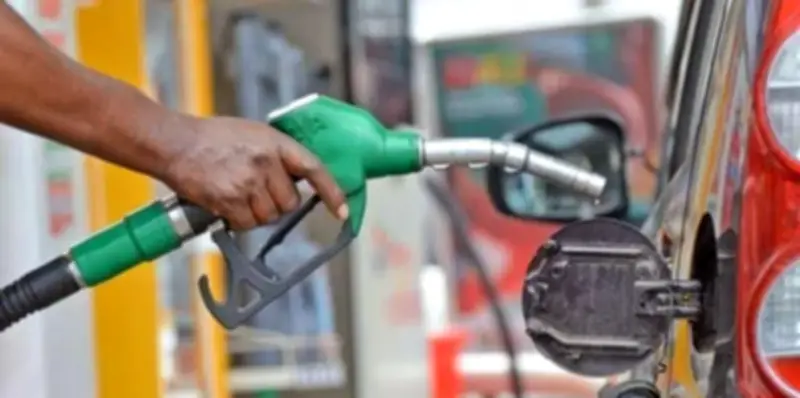
The Federal Competition and Consumer Protection Commission (FCCPC) has issued a stern warning to operators in the downstream petroleum sector, cautioning them against exploiting Nigerian consumers despite a sharp decline in global crude oil prices. In a statement released on Sunday, June 28, the commission expressed concern over the refusal of marketers to reduce petrol pump prices to reflect the current international market trends.
FCCPC's Stance on Deregulated Market
Executive Vice Chairman and Chief Executive of the FCCPC, Tunji Bello, emphasized that while the commission does not regulate or approve petroleum prices in Nigeria's deregulated downstream market, it retains the authority to investigate and sanction operators found engaging in anti-competitive, deceptive, or exploitative practices. This power is derived from the Federal Competition and Consumer Protection Act (FCCPA) of 2018.
Bello stated, "To be clear, the Commission does not regulate or approve petroleum prices in a deregulated downstream market. Our responsibility under the Federal Competition and Consumer Protection Act, 2018, is to promote competitive markets, prevent anti-competitive conduct, and protect consumers from unfair, deceptive, and exploitative business practices."

Discrepancy in Price Adjustments
The FCCPC's ongoing surveillance of the downstream petroleum market revealed that reductions in gantry prices by local refiners, marketers, depot operators, and retail outlet operators have been marginal and far below the current global crude oil prices. Bello highlighted the inconsistency in price adjustments, noting that dealers often respond swiftly by hiking pump prices when crude prices rise, but delays are evident when it comes to passing on benefits to consumers during price drops.
"We are concerned that while dealers often respond swiftly by hiking pump prices whenever crude prices rise, it is curious that it is taking forever for consumers to benefit significantly when crude prices fall. Competitive markets must work fairly in both directions," Bello added.
Global Crude Oil Price Trends
According to the FCCPC boss, international crude prices have dropped sharply to about $73 per barrel, following the ceasefire agreement between the United States and Iran and the reopening of the Strait of Hormuz. This is a significant decline from the peak of about $120 per barrel recorded in April at the height of tensions in the Gulf. The commission noted that crude prices have effectively returned to their February levels, yet the decline has not been matched by a commensurate reduction in domestic fuel prices.
The earlier spike in global crude prices had pushed local petrol prices to between N1,350 and N1,500 per litre, while diesel rose to about N2,000 per litre during the height of the war. However, despite the ceasefire agreements and easing of tensions, petrol still sells for about N1,200 per litre in many parts of Nigeria. It is expected that the pump price of petrol should fall below N1,000 per litre to reflect the current global market realities.
Consumer Protection and Market Surveillance
The FCCPC reiterated its commitment to protecting consumers and ensuring competitive markets. The commission warned that it would not hesitate to take action against any operator found to be violating the FCCPA. This includes engaging in anti-competitive conduct, deceptive practices, or exploiting consumers through unfair pricing.
As the global crude oil market continues to stabilize, Nigerian consumers are hopeful that the benefits of lower international prices will soon be reflected at the pump. The FCCPC's vigilance serves as a deterrent to marketers who may consider delaying price reductions for undue profit.