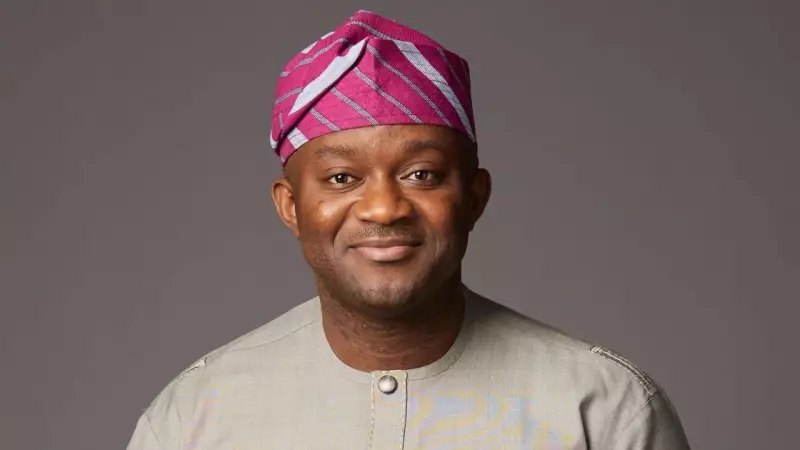
As Nigeria's political atmosphere intensifies ahead of the 2027 general elections, a leading civil society organization has raised a critical alarm. Samson Itodo, the Executive Director of Yiaga Africa, has cautioned that the premature commencement of election campaigns is dangerously shifting attention away from pressing governance matters.
Governance Takes a Backseat to Political Ambition
In a statement released on Wednesday, January 14, 2026, and obtained by The Guardian, Itodo expressed deep concern. He stated that despite the official campaign ban by the Independent National Electoral Commission (INEC) remaining in force, overt political activities began almost immediately after the conclusion of the 2023 polls.
Itodo, who also serves as Principal Partner of the Election Law Centre and Chairperson of the African Union Advisory Group on AI in Peace, Security and Governance, painted a picture of a political landscape already in overdrive. He noted it is characterized by intense elite negotiations, strategic cross-party alliances, and clearly premature campaign efforts, all happening more than a year before the general elections.

"The political temperature is heating up at a scale that puts the country’s democracy under intense pressure," he said. "Democratic institutions are struggling to respond to pressures emanating from the actions of political actors."
A Troubling Pattern and Its Consequences
Itodo identified this trend as a disturbing feature of Nigeria's electoral politics, where the business of governance is sidelined in the pursuit of electoral victory. He pointed out that, consistent with past election cycles, politicians are now dedicating less time to governing and more to securing their next term.
"Policy actions and government programmes are structured to advance political aspirations ahead of the elections," he warned. This early campaign frenzy, according to him, exposes weak accountability structures that encourage a culture of impunity, directly threatening the credibility of the forthcoming 2027 elections.
The future of Nigeria's democracy, Itodo argued, hinges on the ability of institutions, citizens, and security agencies to jointly resist any slide towards authoritarian practices and protect the electoral process's integrity.
Call for Security Agency Neutrality and a Test Run in 2026
He issued a specific call to the Interagency Consultative Committee on Election Security (ICCES). Itodo urged them to adopt a stance of patriotic non-alignment, grounded in professionalism, respect for the constitution, and the rule of law. He warned that partisan behavior by security personnel could fatally compromise electoral integrity.
The spotlight will first fall on INEC's preparedness during the off-cycle elections scheduled for 2026. These include the Federal Capital Territory Area Council elections and governorship polls in Ekiti and Osun States.
Itodo emphasized that these 2026 elections will be a crucial test of the electoral commission's resilience and its commitment to safeguarding its independence, particularly in ensuring a transparent results management process.
"The manner in which these elections are conducted will shape public confidence ahead of 2027," he concluded. "It may increase citizens’ enthusiasm or deepen voter disengagement." The message is clear: the conduct of politics today will determine the health of Nigeria's democracy tomorrow.