Global Conflicts and Economic Shifts: Analyzing Nigeria's Position in a Turbulent World
In his seminal work On War, Prussian military theorist Carl Von Clausewitz famously asserted that war is a continuation of politics by other means. This principle has been validated throughout history, where the outcomes of conflicts have profoundly shaped the political and economic landscapes of nations and their leaders. Drawing from the strategies of historical figures like Frederick the Great and Napoleon Bonaparte, Clausewitz provided a foundational treatise that anticipated the total wars of the 20th century, including World War I and II, with remarkable accuracy.
The Legacy of World Wars and Their Economic Implications
World War I and II not only demonstrated the global scale of warfare but also established new political and economic orders. For instance, the Bolshevik Revolution of 1917 in Russia was facilitated by the economic crises and demoralization caused by World War I, leading to the rise of a Socialist republic as predicted by Marx and Engels. This period marked the beginning of a bi-polar economic stage, with the United States emerging as a major beneficiary.
During World War I, the U.S. experienced a surge in exports, with metal, machinery, and automobile shipments tripling and food exports increasing by 250 percent. Similarly, World War II propelled the U.S. to superpower status, as its gross national product (GNP) grew from $88.6 billion in 1939 to $135 billion in 1944. War-related production soared from 2 percent to 40 percent of GNP by 1943, and by the war's end, the U.S. held approximately 50 percent of global hard currency reserves, fueling an unprecedented industrial boom.

Contemporary Conflicts and Global Instability
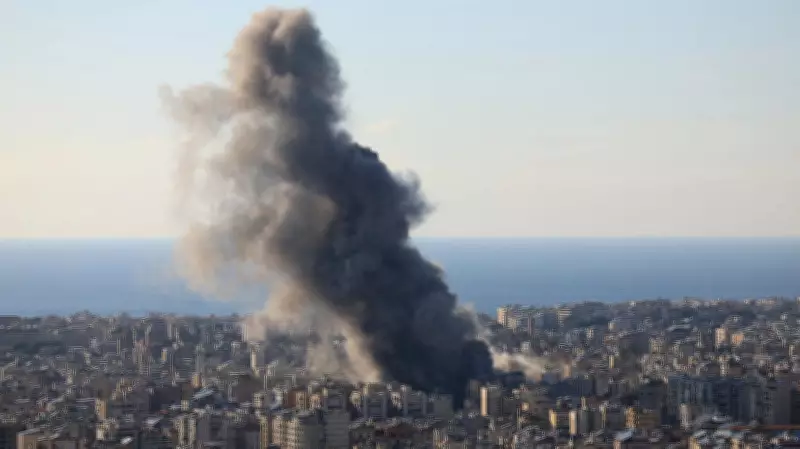
Today, the world faces renewed threats of large-scale conflict, reminiscent of the tensions seen during the Cuba missile crisis of 1962. The Russia-Ukraine war, initiated by Russia's invasion in 2022, and the U.S.-Iran conflict, which escalated in February 2026 with Operation Epic Fury, have created unprecedented global disruptions since World War II. In retaliation, Iran targeted economic and energy facilities across the Middle East, including the DXB airport and Amazon Web Services data centre in Dubai, LNG plants in Qatar, refineries in Bahrain and Saudi Arabia, and oil tankers in the Strait of Hormuz.
These actions have significantly altered the economic situations of affected nations, compounding existing crises such as geopolitical tensions between the U.S. and China, the Sudanese war, the Ethiopian conflict, and insurgency and banditry in Nigeria. Additionally, trade wars involving the U.S., Canada, China, and the European Union further destabilize the global order, leaving the world in a state of unease.
Implications for Nigeria and the Global Political Economy
Against this backdrop, it is crucial to assess the implications of these conflicts for the global political economy, with a specific focus on Nigeria. Historical patterns suggest that wars can reshape economic power dynamics, as seen with the U.S. rise post-World War II. For Nigeria, ongoing global tensions may affect trade, security, and economic stability, particularly given its vulnerabilities to banditry and insurgency.
As the world navigates these turbulent times, understanding the lessons from past wars becomes essential for anticipating future shifts. The interplay between military conflicts and economic orders continues to evolve, posing challenges and opportunities for nations like Nigeria in an increasingly interconnected world.
This analysis highlights the urgent need for strategic responses to global crises, emphasizing Nigeria's role in a changing international landscape.