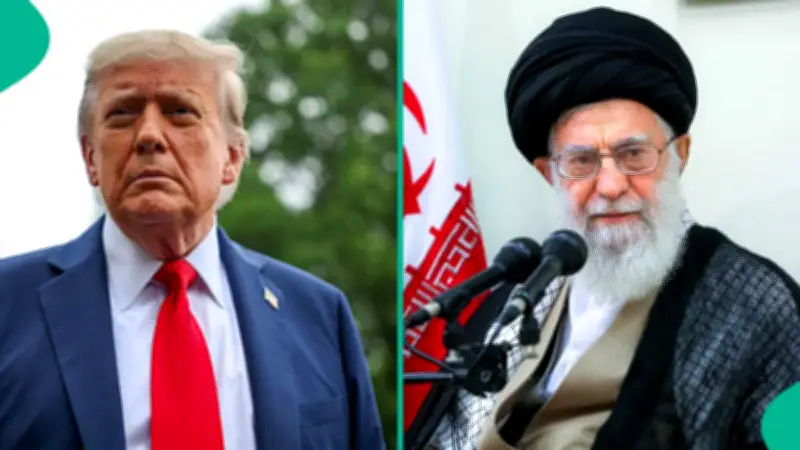
The Islamic Republic of Iran and the United States have agreed to a memorandum of understanding (MOU) to end more than 100 days of war in the Middle East. The agreement, announced on June 16, 2026, includes a ceasefire and the reopening of the Strait of Hormuz, a critical waterway for global oil shipments.
Key Details of the US-Iran Peace Deal
According to reports from Al Jazeera, the draft agreement contains 14 points. The most significant provisions include:
- Immediate and permanent cessation of hostilities on all fronts, including Lebanon.
- Complete lifting of the naval blockade within 30 days.
- US commitment to withdraw forces from around Iran.
- Reopening of the Strait of Hormuz for toll-free passage.
- Suspension of sanctions on Iranian oil sales.
- Final agreement on nuclear issues within 60 days of signing.
- Release of $24 billion in frozen Iranian assets during the 60-day negotiation period.
The MOU will be officially signed on Friday, June 19, 2026. However, final negotiations on nuclear matters will be postponed until the other party fulfills its MOU obligations. Specifically, final talks will not begin until half of Iran's frozen assets are released and restrictions affecting the Strait of Hormuz are lifted.

Notably, discussions concerning Iran's missile program and its support for resistance groups have been removed from the negotiating agenda.
Background and Implementation Challenges
Iran confirmed the agreement, but implementation faces hurdles amid ongoing regional tensions. The peace deal also includes Lebanon, which has been under intense Israeli attacks. Both sides sought a way to de-escalate while maintaining domestic support.
Earlier, the US had launched intensified airstrikes on Iran as tensions escalated. Iran retaliated with strikes on Bahrain, Kuwait, and Jordan. The conflict disrupted global oil markets and raised fears of a wider war.
International Reactions
The United Kingdom, France, Germany, and Italy have signaled readiness to ease sanctions on Iran in exchange for nuclear compliance. UN Secretary-General António Guterres broke his silence on the deal, emphasizing the need for implementation and verification to ensure regional stability and prevent nuclear proliferation.
This agreement marks a significant shift after months of hostilities, but the path to a final deal remains uncertain.