ADC vs INEC: Political Intrigue Ad Infinitum
The ongoing confrontation between the African Democratic Congress, now positioned as Nigeria's leading opposition party, and the Independent National Electoral Commission, the nation's electoral umpire, did not emerge suddenly. This crisis reached a critical boiling point when ADC leaders forcefully entered INEC's office on April 8th, but underlying tensions had been simmering for an extended period. While the embattled ADC has pointed fingers at the ruling All Progressives Congress for allegedly stoking internal fires within the party, such an explanation appears overly simplistic and fails to capture the intricate nature of the dispute.
Roots of the Conflict: A Multifaceted Crisis
The current turmoil represents the cumulative outcome of numerous seemingly minor issues that were initially dismissed as inconsequential by key stakeholders. These oversights by the ADC, the National Assembly, INEC, the judiciary, the presidency, and the broader political class have now snowballed into a significant storm that threatens the very credibility of the 2027 general elections. In a comprehensive assessment, responsibility for this crisis is widely shared across the political spectrum, with both actions and inactions contributing to the logjam obstructing Nigeria's democratic progress.
Beginning with the ADC, which has demanded the resignation of the INEC chairman over the delisting of its leadership from the commission's website, serious questions arise regarding the party's internal governance processes. It appears that the new leadership may have neglected to conduct thorough due diligence before consolidating control over the party structure. By recognizing and negotiating primarily with the Ralf Nwosu faction, the new leaders seemingly overlooked other critical stakeholders whose dissent has now proven to be highly consequential.

Internal Governance Failures and Legal Oversights
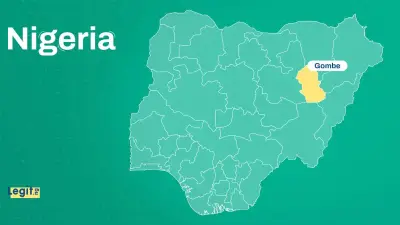
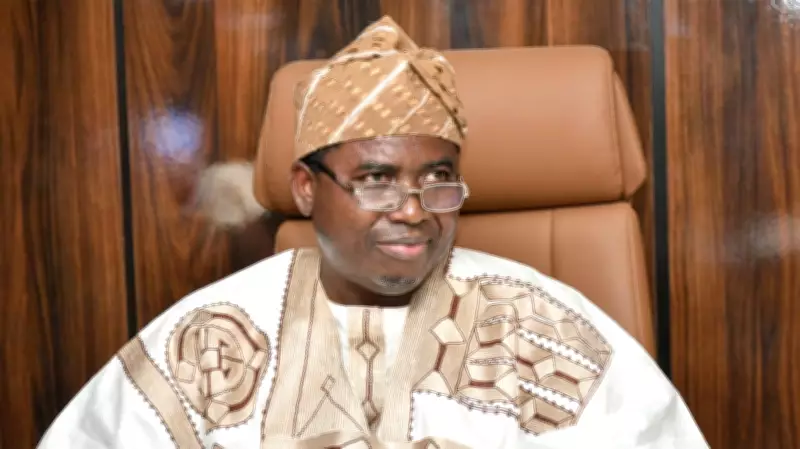
The emergence of the Nafiu Bala Gombe faction has cast significant doubt on the legitimacy of appointments such as David Mark as chairman and Rauf Aregbesola to a leadership role. This development might have been avoided if all internal interests had been properly reconciled beforehand. In this context, the ADC's legal team must shoulder part of the blame for failing to close evident loopholes in the party's procedures. The situation is analogous to purchasing a property without discovering an existing lien because proper searches were not conducted at the appropriate land registry.
How could the effective acquisition of a political party proceed without securing the alignment and verified consent of all critical stakeholders? In mergers and acquisitions, where shareholders, whether known or unknown, fail to sign off due to disputes, transactions are typically deemed null and void. The apparent procedural lapses raise troubling questions about the quality of leadership and internal governance within the ADC. Equally concerning is the party's inability to contain the grievances of the Nafiu Gombe faction before the dispute spiraled out of control.
Existential Threats and Governance Doubts
What began as manageable internal dissent has now transformed into an existential threat for the ADC. If a political party struggles to manage its internal crises effectively, doubts inevitably arise about its capacity to govern at any level, whether local, state, or national. For a political platform that seeks to unseat the ruling APC at the federal level, the inability to resolve internal discord is not merely embarrassing; it is potentially disqualifying in the eyes of the electorate.
Further complicating matters is the fact that the aggrieved Nafiu Gombe had approached the court as far back as last year and secured a favorable High Court judgment. In September, David Mark reportedly challenged that ruling at the Court of Appeal. By March 12 this year, another judgment was delivered, which the ADC has since interpreted as being in its favor. However, the roughly seven to eight months between the High Court and Appeal Court judgments should have provided ample time for a politically savvy leadership and competent legal team to resolve the dispute amicably.

Shared Responsibility and Legislative Failures
Instead, the party allowed the crisis to fester, reinforcing the view that the ADC has, to a large extent, become the architect of its own misfortune. That said, the ADC is not alone in bearing responsibility for the political bind in which Nigeria now finds itself. The National Assembly of Nigeria must also share in the blame, particularly for repealing and re-enacting the Electoral Act in early 2026 without sufficiently sealing critical loopholes.
The revised Electoral Act 2026 appears inadequately fortified against exploitation by opportunistic politicians who weaponize the courts for nuisance value rather than genuine justice. Given Nigeria's history, where the fate of elections has often been determined more by courtrooms than polling booths, lawmakers ought to have anticipated and blocked such vulnerabilities. Instead, gaps remain, and they are now being exploited, much like in the internal crisis within the All Progressives Congress.
Urgent Calls for Reflection and Reform
Having amended the electoral framework multiple times in the past decade, the legislature cannot escape culpability in the unfolding logjam. The intention here is to urge the National Assembly to reflect on where it metaphorically dropped the ball. For instance, in shortening the timelines between party primaries, conventions, and the commencement of campaigns, lawmakers may not have sufficiently considered the practical constraints this would impose.
The compressed schedule now appears to be pushing parties like the ADC into open confrontation with INEC, as they struggle to organize congresses and conventions under regulatory supervision while still operating under judicial and administrative sanctions. This political intrigue, if left unresolved, could severely undermine the integrity of Nigeria's democratic processes and the upcoming 2027 elections.