Ahead of the crucial 2027 general elections, a prominent political commentator has launched a scathing critique against a top Labour Party lawmaker, accusing him of engaging in 'cheap politics'.
Igwe Challenges Onwusibe's Narrative
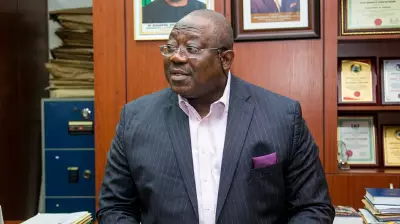
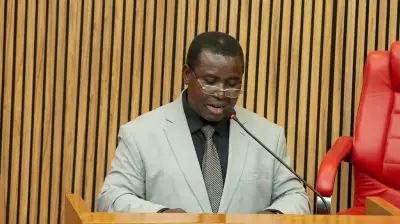
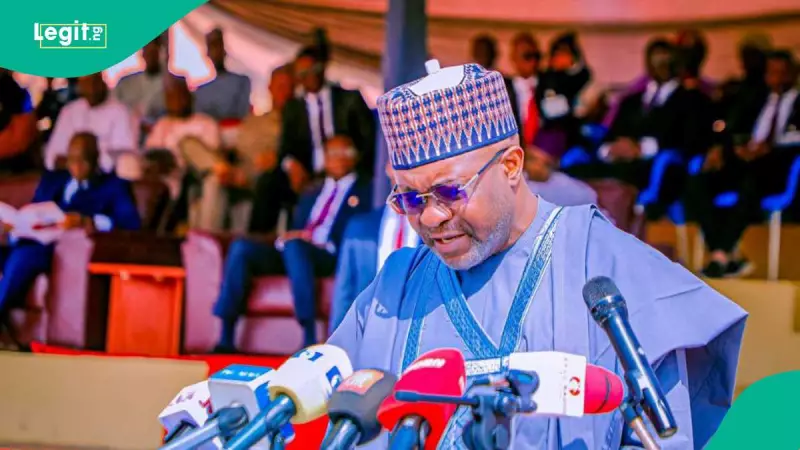
In an exclusive statement made available on Monday, January 12, 2026, analyst Emmanuel Igwe took direct aim at Ginger Obinna Onwusibe, the House of Representatives member for Isiala Ngwa North/South constituency in Abia State.
Igwe's criticism stems from Onwusibe's reported remarks condemning the Peoples Democratic Party (PDP) and describing the past 24 years of governance in Abia State as a failure. The analyst argued this position is deeply inconsistent, as Onwusibe has been an active participant in the state's political system throughout that very period.

'History does not permit selective amnesia,' Igwe contended, insisting that the Labour Party lawmaker cannot credibly distance himself from an era he was part of and from which he 'benefited politically.'
A Call for Accountability and Tangible Results
Moving beyond historical context, Igwe shifted focus to the present, directly challenging Onwusibe's performance in office. He questioned what tangible achievements the federal lawmaker has delivered for his constituents since being elected.
'What landmark bills, constituency projects, or empowerment initiatives justify this moral posturing?' Igwe asked, urging that public officials be judged by visible impact rather than political rhetoric.
He stressed that effective representation is measured by concrete contributions to constituents' lives, not by constant criticism of past administrations. Igwe compared Onwusibe's record with that of other lawmakers elected concurrently, implying a deficiency in demonstrated results.
Defining 'Cheap Politics' and a Final Warning
Igwe defined the lawmaker's approach as the very essence of 'cheap politics'—the practice of exaggerating past governmental failures while remaining silent on one's own role in those administrations and on present shortcomings.
He issued a warning that supporting a sitting governor or current political leadership should not involve rewriting history or, in his words, 'insulting the intelligence of Abians.'
In his conclusion, Igwe called for accountability, performance, and honesty as the anchors of true leadership. He urged Onwusibe to openly acknowledge his role in Abia's political journey and clearly outline his deliverables in public office, stating that without these, claims to moral authority remain unconvincing.
The critique emerges as political positioning intensifies ahead of the 2027 elections, highlighting internal and external scrutiny of elected officials' records versus their political narratives.