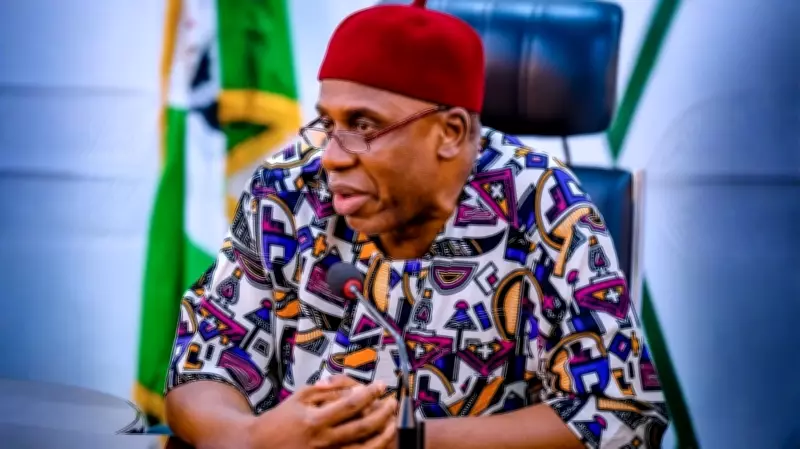
Fresh details have emerged about internal disagreements within the opposition coalition movement, with the African Democratic Congress (ADC) disclosing that former Minister of Transportation, Rotimi Amaechi, once considered withdrawing from the alliance over concerns of alleged preferential treatment toward Labour Party figure Peter Obi.
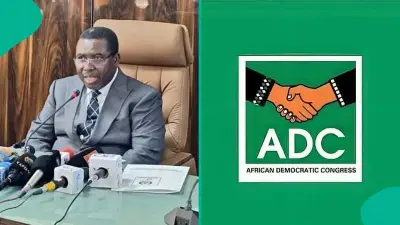
The revelation was made by ADC spokesperson Bolaji Abdullahi during a media engagement where he addressed growing public interest in the dynamics shaping the coalition ahead of the 2027 general elections.
According to Abdullahi, tensions reportedly surfaced within the alliance after some members raised concerns about the perceived dominance and influence of certain political figures in ongoing coalition discussions and strategic planning.

He explained that Amaechi was uncomfortable with what he allegedly viewed as an imbalance in the treatment and visibility being accorded to Obi within the coalition structure, a situation that nearly led to his withdrawal from the political arrangement.
The ADC spokesperson, however, noted that consultations and internal dialogue among coalition leaders helped calm tensions and preserve unity within the alliance.
He stressed that disagreements are not unusual in political coalitions involving multiple interests and ambitions, particularly at a time when opposition figures are attempting to build a united front ahead of future elections.
Abdullahi maintained that the coalition remains focused on its broader objective of presenting a strong alternative political platform capable of challenging the ruling establishment in 2027.
The development highlights the complex negotiations and power balancing currently taking place among opposition politicians as alignments and strategic alliances continue to evolve ahead of the next electoral cycle.
Political observers say the reported disagreement reflects deeper concerns within opposition circles over leadership influence, regional balancing, and candidate positioning, especially as several high-profile politicians are believed to be nursing presidential ambitions.
Despite the reported tensions, coalition leaders have continued to publicly project unity, insisting that consultations are ongoing to strengthen cooperation among participating political actors and parties.
The latest revelation is expected to fuel further debate over the internal stability of the emerging opposition alliance and the role key political figures may play in shaping its future direction.