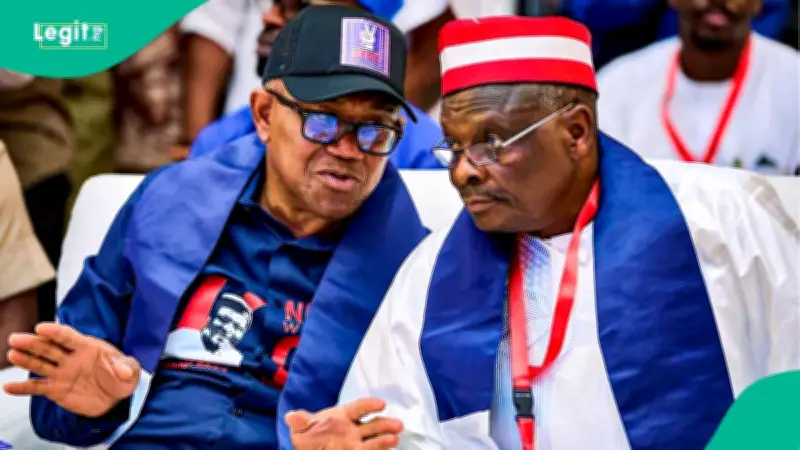
Influential northern groups have rejected the proposed alliance between Peter Obi and Rabiu Musa Kwankwaso, describing it as incompatible with regional political interests. The resistance has become increasingly visible in recent weeks, with some northern organisations warning supporters against backing the emerging political partnership. Campaign materials circulating across parts of the region have also portrayed the Obi-Kwankwaso ticket as 'haram', a term commonly used to describe something forbidden.
Why Are Northern Groups Opposing the Alliance?
Concerns raised by critics range from questions about the alliance's political appeal to doubts over its ability to attract widespread support across the North. Speaking on the development, the National Publicity Secretary of the Arewa Consultative Forum, Prof. Tukur Muhammad-Baba, argued that the Nigeria Democratic Congress (NDC) had yet to establish a strong presence among northern voters. According to him, many residents remain unfamiliar with the party despite growing public discussions surrounding its leading figures.
'There is even doubt about whether Kwankwaso can still hold on to Kano, where he recorded his most impressive performance in the last election. Apart from Kano, his influence in many parts of the North remains uncertain,' Muhammad-Baba stated. He added that many voters had become weary of political appeals built around ethnic, regional or religious identities and were now paying closer attention to credibility and policy direction.

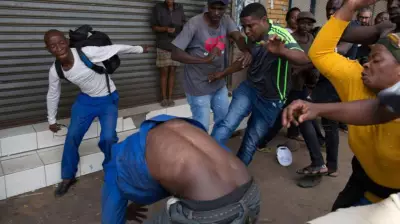
The alliance also suffered a symbolic setback in Kano State following reports that campaign posters bearing the images of Obi and Kwankwaso were destroyed by angry youths in Ungogo Local Government Area.
Is Obi's Image Affecting Northern Support?
Some northern youth leaders believe Obi's political standing remains a major obstacle to acceptance in the region. President of the Arewa Youth Consultative Council, Zaid Ayuba, claimed that Obi's perceived sympathy towards the Indigenous People of Biafra (IPOB) had created distrust among many northern voters.
'Obi and Kwankwaso are known in the North, just like Tinubu and Atiku are known. But politics is different from victory. Obi and Kwankwaso are not accepted in the North in a way that would make one think they will win the 2027 election. In fact, they cannot come close to that,' Ayuba maintained. He asserted that the issue was not rooted in ethnicity or religion but in political perception and trust.
Meanwhile, the Northern Youth Assembly accused Kwankwaso of abandoning northern interests by aligning with Obi. The group described the partnership as a departure from the ideals traditionally associated with the Kwankwasiyya movement.
NDC Leaders Insist Support Is Growing
Despite the criticism, party officials and supporters insist the alliance is steadily gaining traction across several northern states. NDC leaders in Borno and Jigawa states claimed the party was attracting new members and building structures at local government and ward levels. They pointed to increasing youth participation and dissatisfaction with established political parties as factors driving interest.
The National Co-Chairman of the NDC Coalition Alliance Network, Zakari Garba, described the Obi-Kwankwaso partnership as one of the most formidable political combinations currently being discussed ahead of 2027.
Background: Opposition Efforts Face Challenges
Opposition efforts to build momentum ahead of the 2027 presidential election are facing fresh challenges in Northern Nigeria, where influential political groups and stakeholders have openly rejected the proposed alliance. Critics argued that the NDC remained largely unknown across many northern states and lacked grassroots visibility. Supporters of the alliance insisted membership had grown across the North despite resistance from some political stakeholders and youth groups.
Earlier, Legit.ng reported that former Kogi West senator, Dino Melaye, launched a sharp attack on Peter Obi following the ex-presidential candidate's exit from the African Democratic Congress. Melaye questioned Obi's resilience in the face of political pressure and accused him of avoiding difficult environments within party structures.