Political Tensions Escalate in Abuja as Atiku, Kwankwaso, Aregbesola Lead Mass Protest
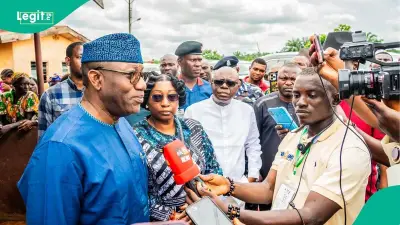
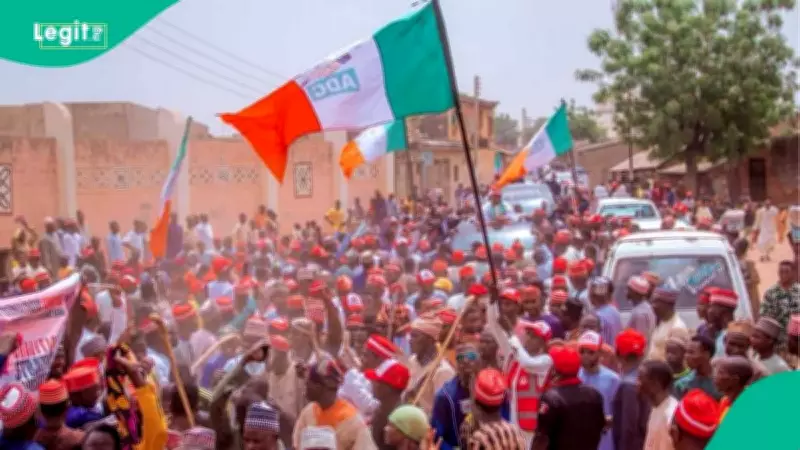
Political tensions reached a boiling point in Nigeria's capital city of Abuja as prominent opposition figures staged a significant demonstration against perceived threats to the nation's democratic institutions. The protest, organized under the banner of "Save Nigeria Democracy," saw influential members of the African Democratic Congress (ADC) coalition gathering in a show of force against what they describe as systematic erosion of electoral integrity.
High-Profile Participants Converge on Abuja
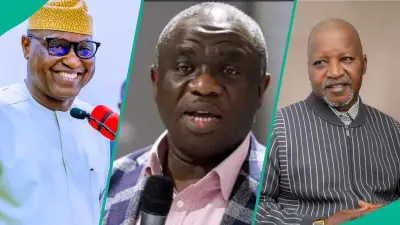
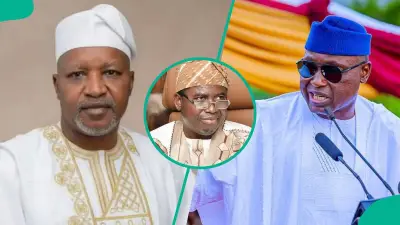
The protest ground attracted an impressive array of political heavyweights, including former Vice President Atiku Abubakar, whose presence signaled the seriousness of the opposition's concerns. Joining him were former governors Rotimi Amaechi of Rivers State, Rabiu Kwankwaso of Kano State, and Rauf Aregbesola of Osun State, each bringing substantial political clout to the demonstration.
Also prominently featured was former Senate President David Mark, who currently serves as the embattled national chairman of the ADC. The gathering represented a rare convergence of political figures from across Nigeria's diverse political landscape, united by their shared apprehension about the state of the nation's democracy.

March Through the Capital and Allegations Against INEC
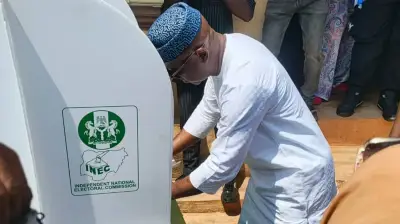
According to reports from Channels Television, protesters initially assembled at the Maitama Roundabout in central Abuja before embarking on a march through the capital. The demonstration was reportedly intended to culminate at the headquarters of the Independent National Electoral Commission (INEC), though the full progression of events remains unclear.
At the heart of the protest lies a serious allegation from Atiku Abubakar and the ADC leadership: that INEC is actively collaborating with the ruling All Progressives Congress (APC) to undermine Nigeria's democratic processes. This accusation represents a significant escalation in political rhetoric and reflects growing concerns among opposition parties about institutional impartiality.
Broader Implications for Nigerian Democracy
The protest comes at a critical juncture in Nigeria's political calendar and raises important questions about electoral transparency and institutional independence. The participation of such high-profile figures suggests that concerns about democratic backsliding are not limited to fringe elements but have penetrated the highest echelons of opposition politics.
As political temperatures rise in the capital, observers are watching closely to see how both the government and electoral authorities respond to these allegations. The demonstration serves as a potent reminder of the ongoing tensions within Nigeria's political landscape and the delicate balance required to maintain democratic norms in Africa's most populous nation.