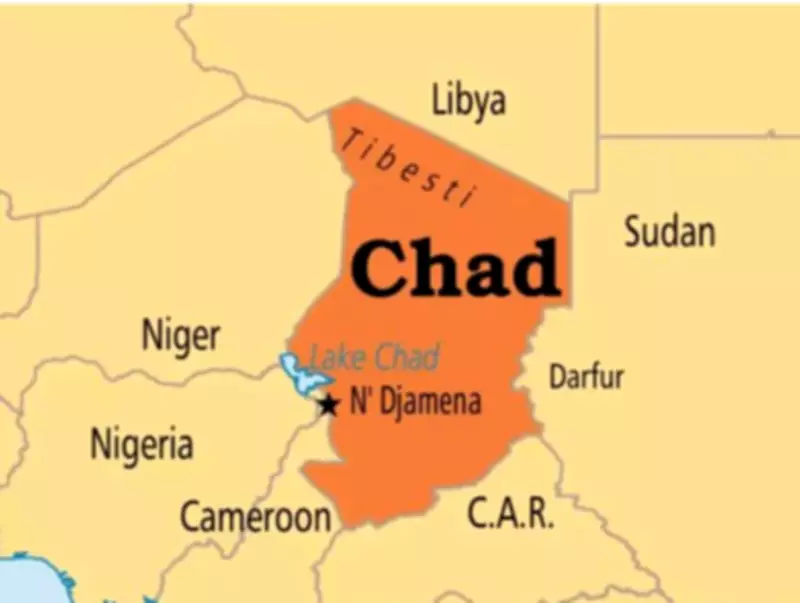
Chad has arrested and deported hundreds of Nigerians who were seeking safety from insurgents, according to those detained who spoke with AFP. The deportations occurred last week as part of what Chadian authorities described as a routine operation against undocumented immigrants.
Background of the Conflict
Nigeria has been battling a jihadist insurgency for 17 years, beginning with the Boko Haram uprising in 2009. This conflict has spawned various militant factions that have spread across Niger, Chad, and Cameroon. Analysts warn of an uptick in jihadist activity in northeast Nigeria in recent years.
Mass Arrests and Deportations
Two Nigerians who were arrested in Chad told AFP that approximately 600 of their countrymen were detained in mass arrests and subsequently dumped in the Cameroonian town of Kousseri, located just across the border from Chad’s capital, N’Djamena. Chadian police confirmed the deportations but did not provide a specific figure, stating they had launched a routine operation against undocumented immigrants without regard to nationality.

Kyari Musa, who had been living in N’Djamena, recounted to AFP: "On Friday, security personnel raided our home. They said all Nigerian refugees are Boko Haram and should leave their country. They took our biometric data." He added that authorities warned that anyone who returns and is caught would face 20 years in jail.
On Saturday, the deportees said Chadian customs agents took them to the Nigerian border town of Gamboru. Ari Modu, who said he was bailed out of jail by his boss and remains in Chad, stated that the mass arrests began on Wednesday, with 227 people arrested that day. He and Musa both reported that officials rounded up another 371 people on Friday.
Paul Manga, deputy director general of Chad’s national police, told AFP: "The police carried out a roundup of individuals in an irregular situation, regardless of nationality, who were subsequently escorted to the border. This is not a witch hunt."
Regional Impact and Repatriation
Nigeria’s jihadist conflict has long presented security challenges in neighboring countries as militants have spread across the region. Nigeria has also moved in recent years to repatriate its citizens from Chad and return them to their homes. However, ex-refugees interviewed by AFP last year said that upon returning to their home villages in northeast Nigeria, they found themselves on the front line of a violent conflict. In safer, larger cities, they face unemployment or poverty amid a weak economy. Some ended up crossing back to Chad, where they had lived and worked for a decade.