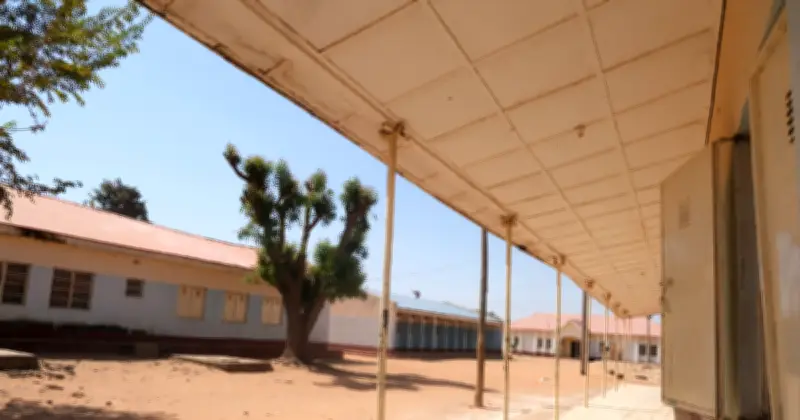
A growing number of Nigerian states have shut down schools amid renewed fears of kidnapping and bandit attacks. This security response, while intended to protect students, has raised concerns among experts who warn that repeated closures may inadvertently encourage further targeting of educational institutions.
Escalating School Attacks Across Nigeria
Data compiled by the International Centre for Investigative Reporting reveals that Nigeria has experienced at least 26 major school attacks between April 2014 and May 2026. In these incidents, no fewer than 2,416 students were abducted across states including Borno, Katsina, Zamfara, Niger, Kogi, Ekiti, and Oyo. What was once a crisis concentrated in the North-East has steadily spread southward, prompting state governments to respond by shutting schools and hoping the threat subsides.
States That Have Recently Closed Schools
- Edo State: Three schools in Edo North Senatorial District were shut down after the Department of State Services (DSS) intercepted two suspected bandits. The suspects disclosed plans to abduct schoolchildren, having shifted their focus from wealthy individuals after previous ransom attempts yielded insufficient payments. One suspect was apprehended while conducting surveillance on Makeke Secondary School in Akoko-Edo Local Government Area on June 4, 2026. The closure directive was issued on June 9.
- Niger State: Panic swept through Minna on Wednesday after rumors spread that armed bandits on motorcycles were moving toward the state capital. Schools emptied rapidly as parents abandoned workplaces to retrieve their children. A Catholic school principal confirmed that pupils fled as early as 9 am. The chaos reflected how deeply the threat of attack has embedded itself in public consciousness, even when no attack materializes.
- Kogi State: Schools in parts of Lokoja closed early on Wednesday, June 10, as fears of terrorist activity spread through the state capital.
- Oyo State: Public primary and secondary school teachers remain on strike, forcing widespread school closures. Only students sitting for WAEC examinations have been exempted from the shutdown. The Nigeria Union of Teachers (NUT) shut down schools in Oyo over rising insecurity.
Why School Closures Keep Happening
This is not the first time Nigerian states have responded to security threats by shutting school gates. In 2022, Jigawa ordered the closure of all public primary and secondary schools after intelligence flagged heightened attack risks in border states. Three years later, in 2025, Kwara followed suit, shutting schools across four local government areas after bandits who had abducted church worshippers began demanding ransoms of 100 million naira per victim.

Each time authorities respond to kidnapping threats by closing schools, they confirm to criminal networks that a small number of armed men can shut down public education across entire regions at minimal cost. This dynamic has made schools an increasingly reliable target rather than a deterrent. Experts warn that repeated closures may encourage future targeting of schools, as attackers see the high impact of their actions.