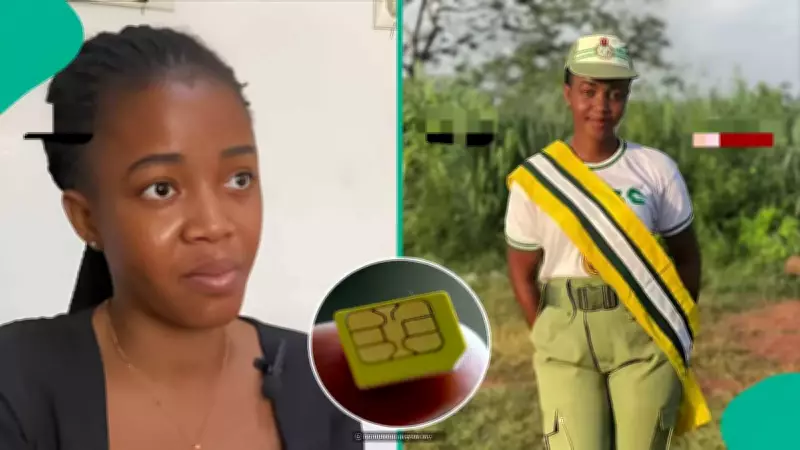
Nigerian Businesswoman Detained Over SIM Card Tied to Kidnapping Case
A Nigerian lady, Titilayo Ibrahim, has recounted a harrowing experience after being arrested by police for buying a SIM card that was previously used by kidnappers involved in a fatal abduction. The incident underscores the potential dangers associated with second-hand SIM cards and the legal complications that can arise from their use.
WhatsApp Message Leads to Police Encounter
On October 16, 2025, Titilayo, a businesswoman specializing in ladies' wear such as nightwear and lingerie, received a message on her business WhatsApp account from a woman expressing interest in purchasing items. The woman claimed to be using her husband's phone due to a faulty device and insisted on meeting in person to collect the goods.
Titilayo explained, "A number texted my business WhatsApp which I use for selling goods. The goods I sell are nightwear, so I was asked to send photos, and I did. She picked two and later told me she was using her husband's phone to chat." Despite Titilayo's preference to send a rider for delivery, the woman persisted and arranged to meet at a location.

Undercover Police Operation Unfolds
Upon meeting the woman, Titilayo noticed her larger body size and realized the nightwear would not fit. As she attempted to show alternative options, a man approached and identified himself as a police officer. Shortly after, the woman also revealed she was an officer, placing Titilayo under arrest.
"When I was packing up, she brought out her ID card and said she is also a police officer and that I'm under arrest," Titilayo recounted. The police had been tracking the SIM card number, which was linked to a kidnapping incident where a victim was abducted, a ransom of 50 million naira was paid, and the victim was later killed.
SIM Card Records Prove Innocence
At the police station, Titilayo was shown records indicating her number had been involved in the crime since the previous year. However, she clarified that the SIM card was stored in a MiFi device and had been purchased and registered on April 15, 2025, a year after the kidnapping occurred on January 1, 2024.
With the assistance of her lawyer, police visited the network provider's office to verify her claims. Records confirmed Titilayo's account, showing the SIM was registered in 2025, exonerating her from the earlier incident. She expressed relief but noted the emotional toll, stating, "People usually say, 'May Nigeria never happen to us.' Nigeria happened to me. I must say, they really harassed me."
Broader Implications for SIM Card Security
This case highlights critical issues in Nigeria's telecommunications and security sectors, where recycled SIM cards can inadvertently connect individuals to criminal activities. It serves as a cautionary tale for consumers to verify the history of SIM cards and for authorities to improve tracking mechanisms to prevent such misunderstandings.
Titilayo's story has sparked discussions on social media about the need for stricter regulations and public awareness regarding SIM card purchases, emphasizing how innocent citizens can become entangled in serious investigations due to inadequate data management.