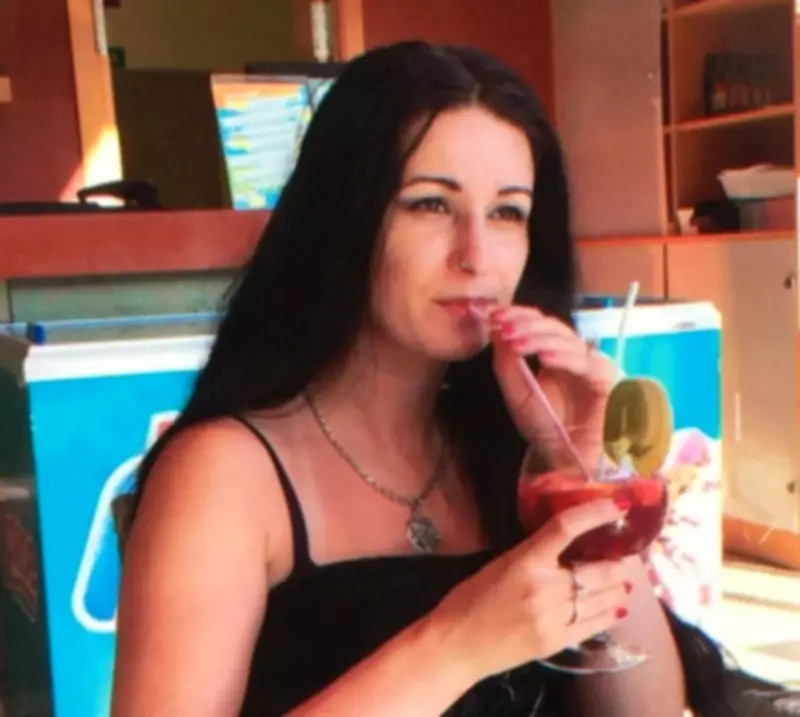
Mother Murdered by Ex-Husband 16 Days After Warning Police of Threat
A mother who explicitly warned police that her estranged husband was very likely to seriously harm her was brutally stabbed to death by him just sixteen days after her desperate plea for protection. Ramona Stoia, 35, had informed officers that Catalin Micu, 54, had previously threatened to decapitate her, yet Kent Police assessed her as only at medium risk and maintained that flawed assessment despite further alarming allegations.
Damning Review Exposes Police Failures
A scathing Domestic Homicide Review has concluded that the risks to Ramona were not considered seriously enough by police in the lead-up to her murder on April 11, 2022. The tragedy occurred inside GothInk Studio in Canterbury, where both Ramona and Micu worked. The review highlighted critical oversights in how officers handled the case, failing to recognize the severity of the threats and the context of coercive control.
Ramona’s brother, Cezar Stoia, who now has custody of her teenage son, expressed profound outrage. "My sister foresaw her murder, but the police couldn’t? He threatened to cut her head off. How is that medium risk? This is a high-risk situation. This is totally unacceptable," he stated.

Background of Abuse and Failed Protection
Ramona and Micu, who had a son together, ended their 16-year relationship in May 2021. Despite the breakup, they continued living together until Ramona secured a non-molestation order in February 2022, prohibiting Micu from harassing her. However, Micu breached this order just a month later, entering her bedroom while she slept and sexually assaulting her, leading to his arrest.
During a Domestic Abuse Risk Assessment, Ramona detailed years of abuse, stating she was "very frightened" of Micu and believed it was "very likely that he would seriously harm her." She recounted his early threat to "cut her head off" if he were ever arrested or if she began a new relationship. The review noted that shortly before contacting police, Ramona had falsely told Micu she was intimate with another man to emphasize their relationship was over, a move that may have escalated the danger.
Fatal Attack and Inadequate Bail Conditions
Just sixteen days after his arrest and while still on police bail, Micu entered Ramona’s treatment room at the tattoo studio and stabbed her multiple times in the neck, uttering, "Was it worth it, Ramona?" He then took his own life. Shockingly, Micu’s bail conditions forbade contact with Ramona but did not prohibit him from visiting their shared workplace, a critical oversight.
The review suggested this arrangement might have been a sign of economic abuse, as Ramona had previously reported that Micu controlled her finances. She had volunteered to stay away from the studio so Micu could earn money for the family but had returned to work by the time of her death, placing her in a vulnerable position.
Police Response and Family’s Anguish
The DHR criticized officers for not recognizing the threats as indicators of a high-risk situation or accounting for the coercive behavior. It also pointed out a failure to consider the "sudden shift in power" after Ramona reported the abuse and how Micu might react to arrest. While the review suggested a follow-up risk assessment might have raised the risk level, it controversially concluded this likely wouldn’t have changed the outcome due to the rapid timeline—a claim Ramona’s brother strongly disputes.
"How can they conclude that even if they raised it to 'high', they could not protect her because it happened too quickly? This is like them saying: 'Sorry, we couldn’t do anything'. This is extremely unacceptable, and I’m not going to let it go," Cezar said. He demanded accountability from police, emphasizing that "people lose their lives when you don’t protect them properly."

Official Statements and Reforms
Kent Police responded by stating Ramona’s death was "the result of a rapid escalation of violence by Mr Micu that nobody could have foreseen." Detective Superintendent David Higham acknowledged shortcomings, saying, "Domestic abuse risk assessment is not a single decision but a continuing and dynamic process. We regret that on this occasion it was not as robust as it should have been." He noted that officers now receive enhanced training on coercive control and post-relationship risks, but stressed that "ultimately, there is only one person responsible for Ramona’s death: Catalin Micu."
This tragic case underscores systemic failures in domestic violence protection, highlighting the urgent need for improved police protocols and risk assessments to prevent such devastating outcomes in the future.