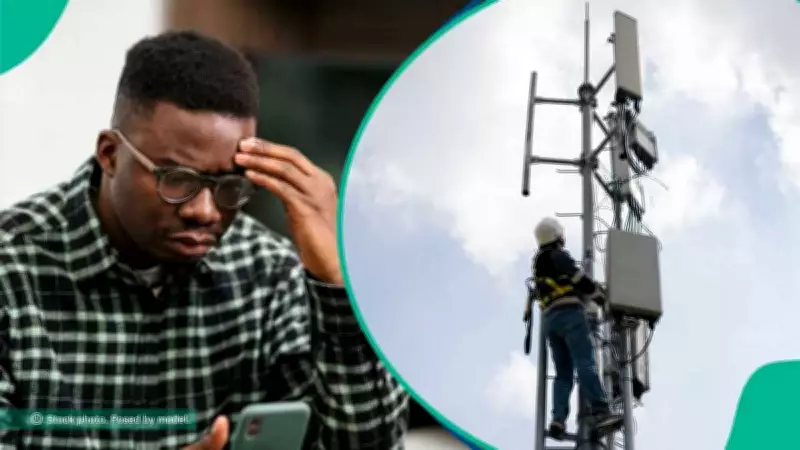
Nigeria's major telecom operators, including MTN Nigeria, Airtel Nigeria, Globacom, and 9mobile, have begun restricting outgoing calls for subscribers with unpaid airtime and data loans. This move deepens the nationwide impact of new lending regulations introduced by the Federal Competition and Consumer Protection Commission (FCCPC).
Aggressive Debt Recovery Measures
The aggressive debt recovery drive comes as telecom borrowing services remain suspended, leaving millions of Nigerians unable to access borrowed airtime or data while struggling to repay existing debts. Industry insiders say operators have already recovered more than N2 trillion from subscribers as part of the ongoing repayment effort, with millions of mobile lines affected across the country.
Borrowing Services Halted, Subscribers Stranded
The crackdown followed the failure of telecom operators to meet updated compliance conditions tied to digital lending operations under FCCPC regulations. Rather than continue lending under uncertain regulatory conditions, operators halted borrowing services and turned their focus to recovering outstanding debts. Now, affected users are being prevented from making calls until all borrowed airtime and data obligations are cleared.

For many Nigerians, especially traders, transport operators, and small business owners, the consequences have been immediate and painful. “I have not made any call for over two weeks. This phone is my business. Customers call to order food. No calls, no customers. Forcing us to pay everything at once is too hard,” said Mama Aisha, a food vendor in Oshodi, Lagos, who owes about N12,000.
Businesses and Families Feel the Heat
Across markets and business hubs, similar frustrations are growing. In Alaba Market, spare parts dealer Chinedu Okoro said his N18,000 debt has severely disrupted his operations. “I call suppliers every hour. Now everywhere is quiet. My goods are not moving. Borrowing airtime helped us survive tough times, but this sudden pressure is too much,” he said.
According to a BusinessDay report, the telecom lending market is enormous, with airtime and data borrowing estimated to be worth over N400 billion annually. In response to the restrictions, many subscribers rushed to clear their debts to restore access to their mobile lines. Reports indicate that MTN Nigeria alone recovered more than N2 trillion within days of enforcement. Still, lending services have not resumed.
In Kano, teacher Fatima Yusuf said the restrictions have affected both her work and family life. “I need data for online lessons and to speak with my relatives. Being blocked has created problems for everyone connected to me,” she explained. For Bode, a Lagos logistics agent owing N15,000, there was little room for delay. “I cannot lose my number. My clients depend on it. I had no choice but to pay immediately,” he said.
Others have taken more drastic steps. A hairdresser in Ibadan who owed N14,500 chose to abandon her line entirely and purchase a new SIM card. “They blocked me, I moved on. It was cheaper than paying,” she said.
Court Battle Deepens Crisis
The situation has become even more complicated with a legal dispute involving Nairtime Nigeria Limited, a subsidiary of Optasia. On April 24, a Federal High Court in Abuja issued an interim injunction ordering MTN Nigeria and Airtel Nigeria to halt disruptions to Nairtime’s access to key telecom infrastructure, including USSD, SMS, short codes, and billing systems. However, call and data lending services linked to the platform remain unavailable, suggesting the court order has yet to translate into full restoration.
The suit, filed under No: FHC/ABJ/CS/779/2026, reflects growing tension between telecom operators, regulators, and fintech providers. According to Uchenna Agbo, Chief Commercial Officer of Optasia and CEO of Nairtime Nigeria Limited, the disruption threatens millions of underserved Nigerians who depend on airtime and data credit. “This decision is ultimately about protecting underserved Nigerian consumers. It ensures that millions of people retain access to essential digital services,” she said. She added that responsible borrowing also helps users build credit profiles for future financial opportunities.

Millions Wait for Relief
As borrowing remains frozen and restrictions continue, millions of Nigerians are caught in the middle of regulatory compliance, corporate disputes, and the urgent need to stay connected. For now, the question remains: when will the lines reopen?
Legit.ng earlier reported that the Association of Licensed Telecommunications Operators of Nigeria (ALTON) has defended the controversial ₦6.98 USSD charge on banking transactions and responded to growing complaints over expired mobile data, insisting that telecom operators still bear costs even when digital banking services fail. The clarification comes amid rising frustration from subscribers of major telecom providers, including MTN Nigeria, Airtel Nigeria, Glo, and 9mobile, over charges linked to USSD banking services and the expiration of unused data bundles. Many customers have questioned why they are billed for failed banking transactions and why unused data often disappears after subscription deadlines.