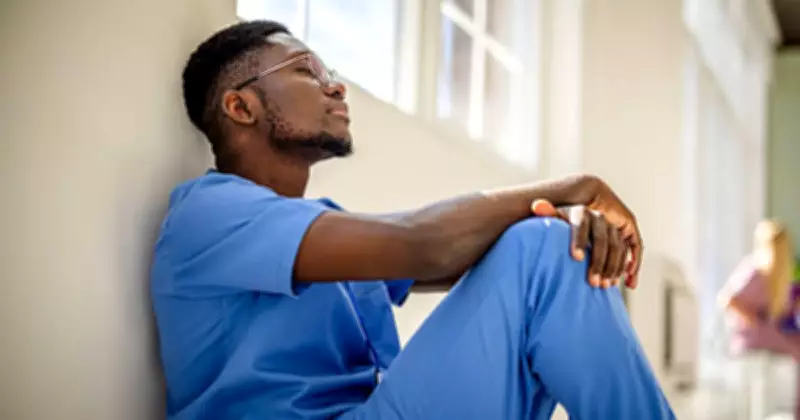
Dozens of Nigeria's top medical and engineering students in Russia, beneficiaries of the Bilateral Education Agreement (BEA) scholarship, have been left stranded by the Federal Government, with stipends owed for six to eleven months. The financial neglect has forced these high-achieving scholars to take up manual labour jobs, including night security, warehouse loading, and cleaning, just to afford basic necessities like food and rent.
From academic excellence to survival mode
The crisis came to light through a viral post on X (formerly Twitter) by the affected students. They shared heartbreaking accounts of how their dreams of becoming doctors and engineers have turned into a daily struggle for survival. Instead of spending their nights in laboratories or lecture halls, they are now working gruelling shifts to stay afloat.
One post read: 'We are medical and engineering students from Nigeria sent to study in Russia by the Nigerian government under the bilateral education agreement. But the Nigerian government left us stranded since we got here. We are now forced to do menial jobs to survive.'

Understanding the BEA agreement
The Bilateral Education Agreement is a high-level exchange programme designed to train Nigeria's future specialists. Under the treaty, Russia covers tuition and provides university hostel accommodation. Nigeria is responsible for essential upkeep, including a monthly food allowance of $500, health insurance, and a warm clothing allowance for the harsh Russian winter.
To qualify for this scholarship, students must be exceptional, typically requiring at least seven distinctions (As and Bs) in their WAEC results. Now, that excellence is being rewarded with hunger and hardship.
A pattern of neglect
This is not an isolated incident. For years, Nigerian students in Russia, Morocco, and Hungary have faced similar delays, with stipends often arriving over a year late. While tuition is free, it is nearly impossible for a foreign student to survive in Russia without the promised government support. This leaves students with two dangerous choices: work illegally, risking deportation, or go hungry in the cold.
Social media outrage
The news has sparked widespread anger online, with Nigerians questioning why the government continues to export talent only to abandon it. Some notable reactions include:
- A doctor in Nigeria is a blessing. A Nigerian doctor-to-be stranded in Russia is a tragedy. This is what happens when a country fails to create an environment worth staying in.
- The Nigerian government never misses the chance to owe. From civil servants to footballers to students, everyone suffers.
- If the Federal Government cannot fund the BEA, they should stop sending students to suffer abroad. This is a national disgrace.
The risk to Nigeria's future
The irony is stark: Nigeria is in desperate need of surgeons and engineers, yet its brightest prospects are being broken by a lack of basic funding. There are growing fears that these students, if they survive the ordeal, will never return to Nigeria, contributing to a brain drain fuelled by resentment and neglect.
As of today, the Federal Scholarship Board and the Ministry of Education have remained silent. As the outcry grows, pressure mounts on the government to pay these students before a national embarrassment turns into a full-blown human tragedy.