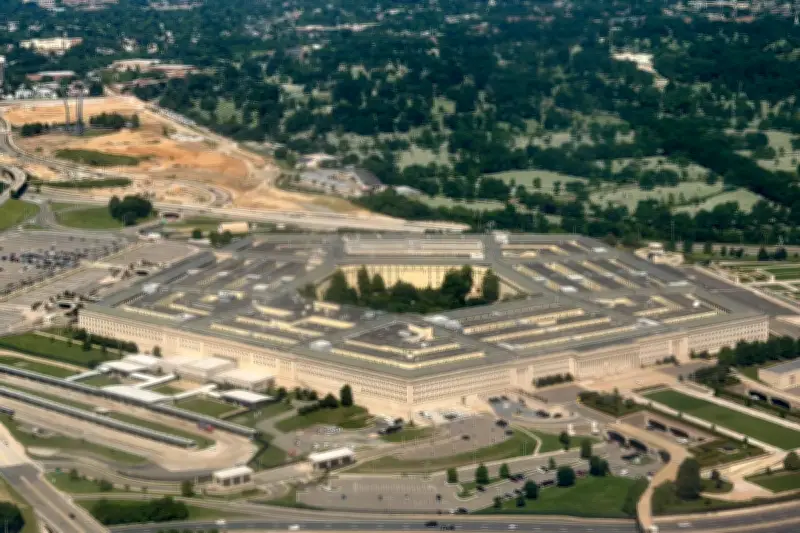
The Pentagon, which serves as the headquarters of the United States Department of War, was placed under lockdown on June 11 following the detection of a hazardous materials incident. Emergency workers, including the Arlington County Fire and EMS Hazardous Materials Team, were deployed to the scene to address the situation.
Incident Details
According to a post on X by Arlington County Fire and EMS, their units, including the Hazardous Materials Team, were operating at the Pentagon in support of the Pentagon Force Protection Agency's Hazmat Team. The lockdown was prompted by building systems detecting an air quality issue, leading to a shelter-in-place order.
Official Statements
Pentagon spokesman Sean Parnell confirmed the incident, stating that the building's sophisticated systems detected an air quality issue, necessitating precautionary measures until its significance could be determined. He emphasized that the Department is executing standard protection protocols, including a shelter-in-place order for the affected area, with response teams in place to support building occupants.

Pentagon's Security Systems
The Pentagon is one of the most secure structures in the United States, featuring an advanced building-wide defense system. This system can stop airflow between corridors, detect hazardous materials in the air, and seal off parts of the building to prevent contaminants from spreading. Its unique design—five rings connected by corridors—allows for division into multiple ventilation zones, enabling officials to lock down affected areas without evacuating all approximately 26,000 workers.
Pentagon Shield
Officials are investigating the cause of the alarm, but the Pentagon has long invested in an advanced airborne threat detection and containment system known as Pentagon Shield. Launched after the 9/11 terror attacks, this program protects the nation's largest government office building from chemical, biological, and radiological threats. The system uses a network of sensors and computer modeling tools to detect dangerous substances and track their movement throughout the five-sided headquarters. According to a 2007 technical paper, building ventilation systems can be adjusted in real time to minimize air infiltration. If a hazardous substance is detected, the Pentagon can alter airflow throughout the building, isolating sections and reducing the risk of contaminant spread.