El-Rufai Breaks Silence in ICPC Custody, Invokes Constitutional Right to Remain Silent
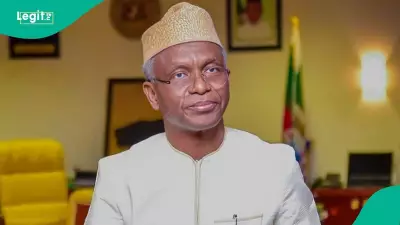
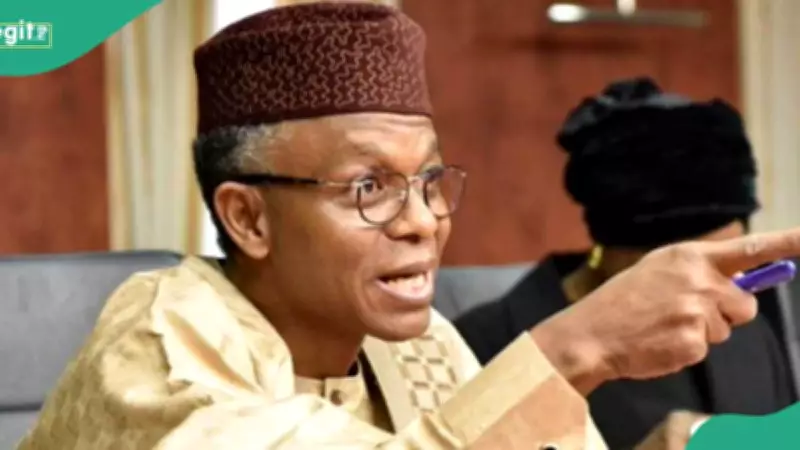
Former Kaduna State governor Nasir El-Rufai has publicly explained his decision to decline answering questions from the Independent Corrupt Practices and Other Related Offences Commission (ICPC), firmly asserting his constitutional right to remain silent. The former governor, who has been in custody since February 16, 2026, after initially honoring an invitation from the Economic and Financial Crimes Commission (EFCC), described the ongoing investigation as politically motivated and insisted he would only respond to allegations in a competent court of law.
El-Rufai's Written Responses to ICPC Detectives
In two separate written statements addressed to ICPC investigators, El-Rufai invoked his constitutional protections, stating unequivocally that he would reserve his responses for judicial proceedings. The former governor confirmed his identity and detailed his background, including his birthplace in Dandawa, Katsina State, and upbringing in Kaduna. He highlighted his extensive academic credentials from Ahmadu Bello University, Harvard University, and the University of London, along with his distinguished public service record spanning decades.
El-Rufai's career includes serving as Director-General of the Bureau of Public Enterprises from 1999 to 2003, Minister of the Federal Capital Territory from 2003 to 2007, and two-term governor of Kaduna State from 2015 to 2023. According to reports from Daily Trust, El-Rufai maintained that, following legal advice from his lawyer Ubong Akpan, he chose not to respond to investigators' questions after nearly two years of investigations.

Political Motivation Allegations and Family Response
"I have decided to exercise my right to silence. I will respond to any allegations in a court of law only," El-Rufai stated in his February 19, 2026 follow-up statement, describing the probe as political persecution. He emphasized that the ICPC should present its findings before a judicial tribunal rather than subject him to further questioning outside courtroom proceedings.
Meanwhile, his son Bello El-Rufai has accused the anti-graft agency of weaponizing his father's silence, suggesting the ICPC is using the constitutional right against him in the ongoing investigation. The ICPC has not issued any fresh public response to these allegations at the time of reporting.
Youth Protests Erupt in Kaduna State
Youth groups across Kaduna State staged coordinated protests on Wednesday, demanding the immediate release of the former governor. Demonstrators from various communities converged on key locations within Kaduna metropolis and parts of Southern Kaduna, chanting solidarity songs and displaying placards with messages including:
- "Free El-Rufai Now"
- "Justice for Our Leader"
- "Kaduna Demands Governance, not Revenge"
The protests reflect growing public concern over the continued detention of the former governor, who remains a significant political figure in the region.
Legal Developments and Bail Denial
A Federal High Court in Abuja has adjourned the hearing of the suit involving the Department of State Services (DSS) and El-Rufai. The secret police had filed a three-count charge against the former governor alleging wiretapping of the National Security Adviser's telephone conversations. El-Rufai had previously claimed in an interview that he listened to television conversations and accused the NSA of ordering his arrest.
In related developments, the ICPC has reportedly denied a bail application from El-Rufai's legal team. According to sources, the anti-graft agency did not respond to the bail request letter, leaving the former governor in continued detention. This development has raised concerns among his legal representatives and family members, who view the prolonged custody as excessive given the circumstances.
The situation continues to develop as legal proceedings advance and public demonstrations persist, highlighting the complex intersection of political accountability, constitutional rights, and anti-corruption efforts in Nigeria's governance landscape.