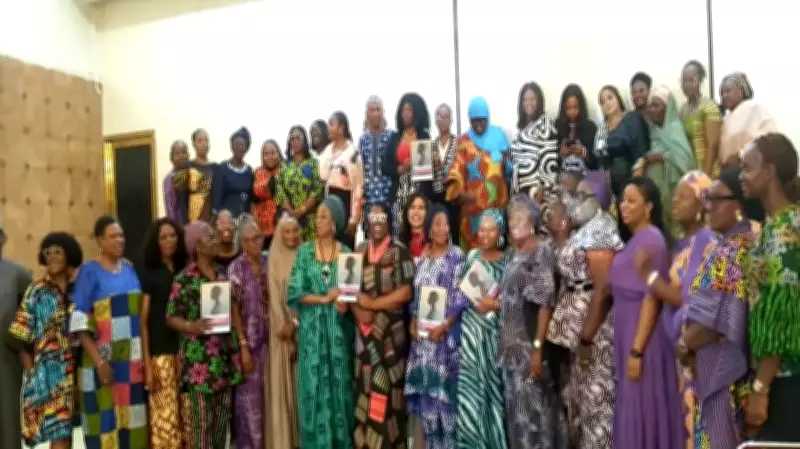
The Women Advocates Research and Documentation Centre (WARDC) has raised alarm over the growing wave of Technology-Facilitated Violence Against Women and Girls (TFVAW/G) in Africa, unveiling a new report that exposes widespread online harassment, cyberstalking, image-based abuse and exploitation across Nigeria and Kenya.
Report Launch and Key Findings
The report, titled “The Digital Harm Effect: Confronting Technology-Facilitated Violence Against Women and Girls in Africa: A Case Study of Nigeria and Kenya,” was launched in Abuja in partnership with the International Federation of Women Lawyers (FIDA) Kenya. Supported by the United Nations Trust Fund to End Violence Against Women, the study draws from evidence gathered from 515 women across both countries and documents the increasing use of digital platforms to perpetrate abuse against women and girls.
Research Lead's Presentation
Presenting the findings, Research Lead and Editor of the report, Dr. Abiola Akiyode-Afolabi, said the study uncovered widespread stigma, underreporting and severe psychological trauma among survivors. She noted that some victims of online abuse had contemplated suicide due to the intensity of the harassment they faced. “Many young women face severe online threats, with some even contemplating suicide as a result of the abuse they experience,” she stated. Akiyode-Afolabi added that the research also exposed cases of digital exploitation involving online financial support platforms targeting vulnerable women. According to her, the broader project has reached more than 2,000 beneficiaries across Nigeria and Kenya, with ongoing advocacy to push for stronger laws and policy reforms.

Calls for Urgent Action
Acting Executive Director of WARDC, Dr. Princess Olufemi-Kayode, called for urgent digital literacy interventions and legal reforms to address emerging threats linked to technological advancement and artificial intelligence. “As artificial intelligence evolves, laws and policies must also evolve to address emerging digital threats,” she emphasized.
Strengthening Accountability
Earlier, the Mandate Secretary of the FCT Women Affairs Secretariat, Dr. Adedayo Laniyi-Benjamins, urged authorities to strengthen accountability mechanisms for perpetrators of online gender-based violence. “We must identify perpetrators, call them out, and hold them accountable,” she said.
Impact of AI and Digital Safety Initiatives
Executive Director of the Centre for Redefining Alternative Civic Engagement for Africa (RACE), Evelyn Ugbe, warned that AI-manipulated images and videos are compounding the psychological trauma suffered by survivors. She said the organisation was establishing digital safety clubs in schools and expanding access to support services for survivors through its Feminist Digital Watch initiative.
Platforms and Enforcement Challenges
WARDC said the report found that platforms such as WhatsApp, Facebook, Instagram, TikTok and X have become major sites of harassment, while weak law enforcement capacity and poor digital forensic infrastructure continue to hinder justice for survivors. The organisation called for coordinated action by governments, schools, justice institutions, technology companies and civil society groups to curb online violence and make digital spaces safer for women and girls.