Cameroon's President Biya Appoints Son as Vice President and Military Commander
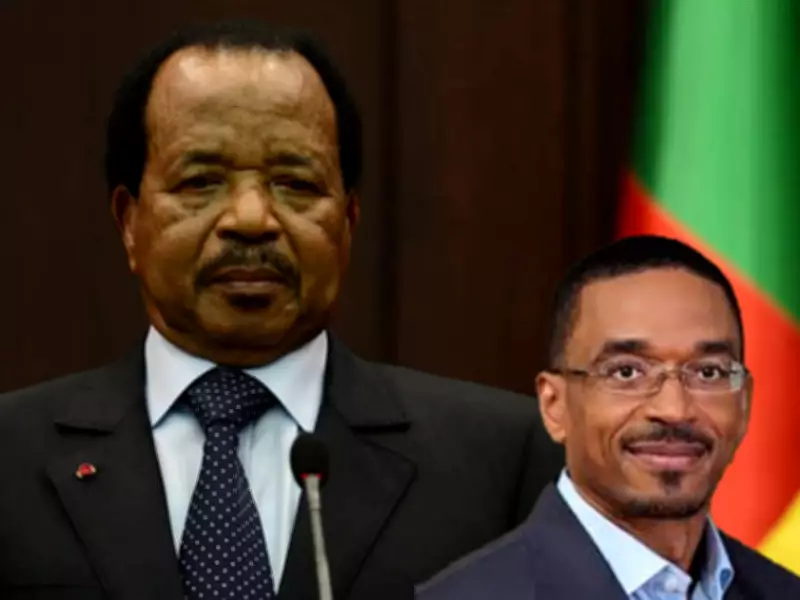
In a significant political development, Cameroon's President Paul Biya has formally appointed his son, Franck Emmanuel Biya, to the dual roles of Vice President of the Republic and Head of the Armed Forces. This move, confirmed through an official decree dated April 4, 2026, further entrenches the Biya family's influence over the nation's governance and security apparatus.
Official Decree Details the Appointments
The presidential decree explicitly states: "Mr Franck Emmanuel BIYA is appointed Vice President of the Republic of Cameroon." It further elaborates: "Mr Franck Emmanuel BIYA is appointed Head of the Armed Forces." Additionally, the document expands his responsibilities by noting: "The Vice President of the Republic, Mr Franck Emmanuel BIYA, is also appointed Minister Delegate at the Ministry of Defence of the Republic of Cameroon."
This appointment places Franck Biya at the core of Cameroon's defence and security framework, granting him substantial authority over military operations and strategic planning. The presidency justified these appointments by citing constitutional provisions and defence laws, asserting they were made in accordance with "service requirements." The decree mandates that it be registered, published under urgent procedures, and inserted into the Official Gazette to ensure formal enactment.

Context of Recent Political Turmoil
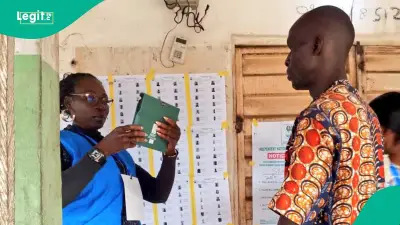
This development occurs merely months after President Biya, aged 92, was sworn in for an unprecedented eighth term in office. His re-election followed a highly contested electoral process that ignited nationwide protests and attracted intense international scrutiny. Biya secured approximately 54 percent of the vote, defeating opposition candidate Issa Tchiroma Bakary, who polled around 35 percent.
Tchiroma Bakary has vehemently rejected the election outcome, maintaining that he was the legitimate winner and accusing authorities of orchestrating electoral fraud—allegations that the government has consistently denied. In contrast, Biya described the election as "satisfactory" and praised the electoral body for its conduct. He also commended security forces for managing the demonstrations, though he did not address widespread claims of excessive force used during the protests.
The Constitutional Council dismissed multiple petitions challenging the election results, citing either insufficient evidence or lack of jurisdiction, thereby upholding Biya's victory.
Historical and Political Implications
President Biya has governed Cameroon since 1982, succeeding former president Ahmadou Ahidjo. His lengthy tenure has been marked by periods of stability but also by accusations of authoritarianism and political repression. The appointment of his son to key positions has sparked renewed criticism from political opponents and analysts, who argue that it represents a strategic move to tighten Biya's grip on power through both political and military channels.
This consolidation of family control raises questions about succession planning and the future of democratic governance in Cameroon. Critics warn that such appointments could undermine institutional integrity and exacerbate existing tensions within the country's political landscape.
As Cameroon navigates this new phase of leadership, the international community and domestic observers will closely monitor how these appointments impact governance, security, and the broader socio-political environment in the nation.