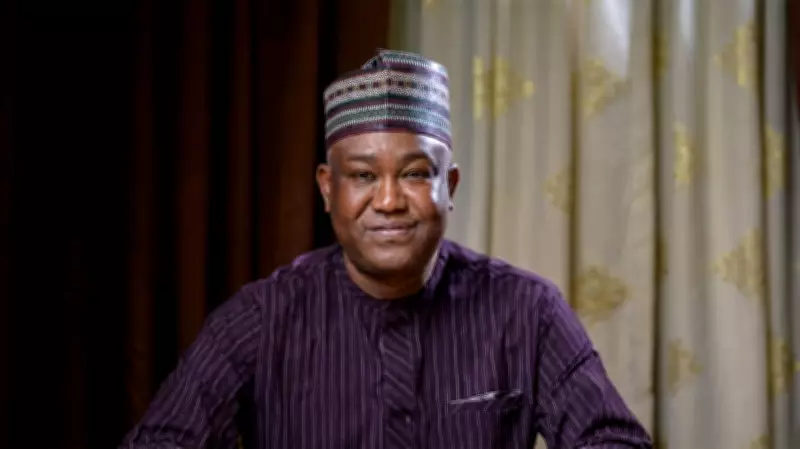
A chieftain of the Peoples Democratic Party (PDP) and former presidential candidate, Dr. Gbenga Olawepo-Hashim, has renewed his criticism of the Independent National Electoral Commission (INEC) over its electoral timetable. He described the schedule as unlawful, unworkable, and insensitive to Nigeria's political and religious realities.
Hashim stated that the current scheduling framework is creating avoidable tension within the political system and could destabilize party structures ahead of the 2027 general elections. He argued that the tight electoral calendar does not give political parties enough time to properly conduct internal primaries and democratic processes. According to him, this situation is already placing unnecessary pressure on parties and contributing to growing internal conflicts across the political landscape.
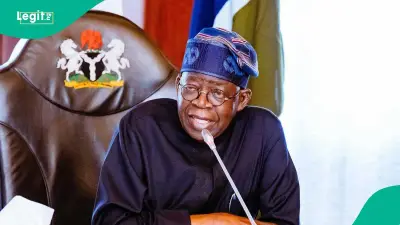
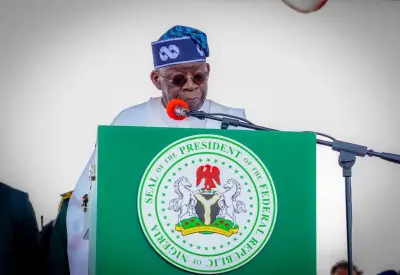
Hashim disclosed that he had earlier written an open letter to President Bola Ahmed Tinubu, urging guidance to ensure INEC strictly adheres to the provisions of the Electoral Act. However, he noted that no response had been received to the appeal.

The former presidential candidate further faulted INEC for scheduling politically intensive activities, including party primaries, around sensitive religious periods such as Hajj and Ileya (Eid al-Adha). He warned that these periods already come with significant logistical and security demands, and combining them with political primaries could heighten tensions and trigger avoidable disruptions.
“Combining election primaries with periods like Hajj and Ileya, which already carry security and mobility challenges, is unreasonable,” he said.
Hashim added that party primaries themselves often generate political tension and security concerns, insisting that such activities require adequate spacing and proper planning. He maintained that compressing religious and political schedules unnecessarily increases national risk and could undermine stability within political parties.
Hashim further argued that the Electoral Act already provides sufficient timelines for parties to conduct nominations without resorting to what he described as a “chaotic timetable.” Citing Section 29(1) of the Electoral Act, he stated that political parties are required to submit nominations not later than 120 days before elections, a provision he said effectively allows parties up till mid-September to complete their nomination processes.
“Why adopt a chaotic timetable circumventing the provisions of the Act?” he queried.
He warned that failure to review and adjust the timetable could deepen political tensions and erode public confidence in the electoral process ahead of the 2027 elections.