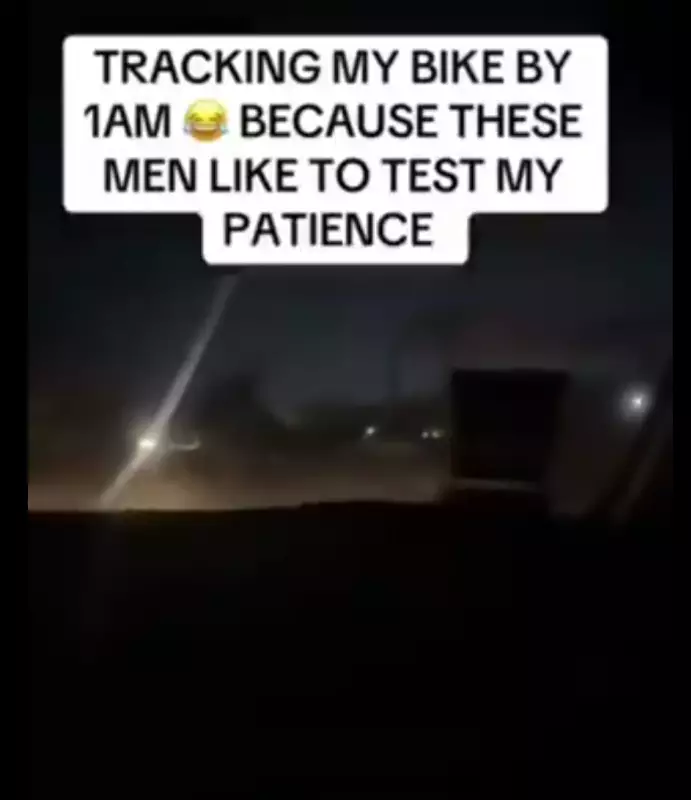
A Lagos woman has taken matters into her own hands in a dramatic late-night confrontation that has since gone viral on social media. The incident involves a dispatch rider and a motorcycle that was reportedly purchased for him as part of a business arrangement.
The Midnight Confrontation
The dramatic scene unfolded in the early hours of the morning, around 1 a.m., when the determined lady located the man. According to the viral narration, the woman had bought the motorcycle for the rider with an agreement that he would remit payments from his earnings. However, the rider allegedly stopped making payments since the Christmas period and began ignoring her repeated calls.
Alleged Breach of Agreement and Ignored Calls
The core of the dispute lies in the alleged failure of the dispatch rider to uphold his end of the financial agreement. Sources indicate that after the initial payments ceased around Christmas, the woman attempted to contact him multiple times to resolve the issue. These calls were reportedly ignored, prompting her to take direct action to track him down.

The video of the confrontation, which has garnered significant attention, was shared by popular blogger Linda Ikeji on her Instagram page, @lindaikejiblogofficial, on January 13, 2026. In the clip, the woman is seen vehemently questioning the rider about the missing funds and his refusal to answer her calls.
Public Reaction and Broader Implications
This incident has sparked widespread discussion online about the risks involved in informal business agreements and asset financing, particularly within Nigeria's bustling gig economy. Many dispatch riders operate through similar arrangements where a third party provides the motorcycle, but trust and consistent repayment are critical.
The woman's decision to personally find the rider in the middle of the night highlights the lengths individuals may go to when formal recourse seems inaccessible. It also puts a spotlight on the challenges of enforcing informal contracts. The viral nature of the video ensures that this story will continue to fuel conversations about accountability and business practices in the sector for some time.