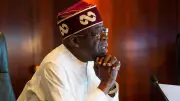
IMF Projects 4.3% GDP Growth for Nigeria in 2027
The IMF projects Nigeria's GDP growth to reach 4.3% in 2027, up from 4.1% in 2026, despite global risks from Middle East conflict and inflation pressures.


The IMF projects Nigeria's GDP growth to reach 4.3% in 2027, up from 4.1% in 2026, despite global risks from Middle East conflict and inflation pressures.

While Africa's public sector shows significant growth in 2026 through infrastructure and digital spending, this expansion is heavily debt-funded and faces structural risks including currency vulnerability, institutional weaknesses, and corruption challeng

The Nigerian naira appreciated to N1,356.19 per dollar in the official market, gaining 70 kobo. It also strengthened against the pound sterling and euro, while interbank turnover surged.

The Federal Government has implemented sweeping tariff reductions on 127 items including rice, vehicles, and medical equipment as part of the 2026 Fiscal Policy Measures aimed at combating inflation and supporting key economic sectors.

Shared lists with real-time sync. No signup needed — just open and shop together.
Recommended
Nigeria's minimum wage has increased from ₦5,500 in 2000 to ₦70,000 in 2026. This article explores the timeline, economic pressures, and why workers still struggle despite nominal growth.

The Federal Government has waived import duties on electric vehicles and mass transit buses to ease inflation and boost affordability amid the Middle East crisis, as announced by the President's aide.

Finance Minister Wale Edun advocates for reduced borrowing costs and fairer global financial conditions for Nigeria at the 2026 IMF and World Bank Spring Meetings in Washington DC.

The naira ranks as Africa's second-best currency against the dollar, despite falling reserves. Inflation may ease, influencing CBN rate decisions, while oil prices surge due to geopolitical tensions in the Middle East.
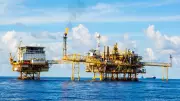
The International Labour Organisation warns that the Middle East crisis threatens jobs and incomes worldwide, risking increased informality, child labor, and economic strain for vulnerable workers and small businesses.
Shared lists with real-time sync. No signup needed — just open and shop together.
Recommended
The Iran war's global shockwaves are hitting Africa hardest, causing fuel shortages, soaring food prices, and crippling debt. Former VP Osinbajo warns of systemic failure.

A public policy analyst argues Nigeria's fiscal woes stem from governance and transparency deficits, not low revenue, urging reforms before tax hikes to build trust and efficiency.

Fitch Ratings forecasts Nigeria's foreign exchange reserves declining to $47 billion by late 2026 due to spending pressures and external risks, despite current stability and coverage.

The conflict in Iran has increased Africa's annual debt burden by $4.4 billion through rising capital costs, threatening economic reforms and forcing countries to seek financial diversification strategies.

The Trade Union Congress and World Bank urge the Federal Government to support local refineries and provide targeted aid to vulnerable citizens amid rising fuel prices and global supply tensions.
Shared lists with real-time sync. No signup needed — just open and shop together.
Recommended
South-West states in Nigeria have announced ambitious 2026 budgets totaling N8.66 trillion, focusing on infrastructure and economic expansion to improve citizens' welfare amid macroeconomic challenges.

Nigeria's naira strengthened 1.58% this week due to improved foreign exchange liquidity and investor confidence, while the domestic bond market showed signs of weakness.

Nigeria's ₦70,000 monthly minimum wage ranks among Africa's lowest, falling behind smaller economies like Benin and Togo. Analysis reveals key factors including currency weakness, inflation, and implementation gaps.
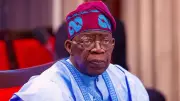
Nigeria's naira remains Africa's second-strongest currency against the dollar, but foreign reserves have fallen to $48.94 billion. Analysts warn of heavy costs as inflation eases to 13.4% in March, while geopolitical tensions drive oil prices above $104 p

The Federal Government reduces import tariffs on crude palm oil, rice, and sugar to ease rising food costs and stimulate economic growth, with experts predicting consumer relief.
Shared lists with real-time sync. No signup needed — just open and shop together.
Recommended
The Nigerian Naira showed minor fluctuations against the US Dollar on Monday, April 13, 2026, with the official rate opening at N1,358.84 and stabilizing, while parallel market rates ranged from N1,460 to N1,485 in major cities.

The Federal Government has introduced a structured leasing model for motorcycle and tricycle operators nationwide through partnerships with ELRA, CIS, and NATOMORAS. The initiative aims to address exploitative hire purchase arrangements, provide flexible

The Central Bank of Nigeria has introduced stricter agent banking guidelines effective 2026, including exclusive partnerships, geo-fencing, and new transaction limits to enhance security and reduce fraud.
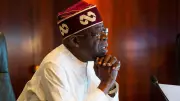
Nigeria's economy is under pressure as global oil prices rise above $100 per barrel due to geopolitical tensions, threatening higher fuel costs and inflation.
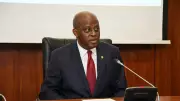
The Nigerian naira strengthened by 1.58% at the official market this week, closing at N1,359.32/$, amid improved foreign exchange liquidity and stable investor sentiment, while the domestic bond market weakened with rising yields.
Shared lists with real-time sync. No signup needed — just open and shop together.
Recommended
The Centre for the Promotion of Private Enterprise warns that World Bank recommendations for increased fuel and food imports could undermine Nigeria's economic reforms and domestic production gains.

The Nigerian Economic Summit Group states that ongoing economic reforms will only significantly impact citizens if they drive sustainable growth to six per cent, emphasizing support for agriculture and manufacturing.
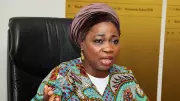
NIDCOM Chairman Abike Dabiri-Erewa assures diaspora investors that Nigeria is conducive for business, highlighting policies under the Renewed Hope Agenda to drive growth and innovation.
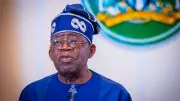
The Federal Government is in the final stages of preparing the Medium-Term National Development Plan 2026-2030, aiming to transition Nigeria to an upper-middle-income economy by 2050 through strategic policies and resource leveraging.

With fuel subsidy removed, the Tinubu administration must judiciously use oil revenue from Middle East conflicts to build infrastructure and reduce debt, avoiding past mismanagement pitfalls.
Shared lists with real-time sync. No signup needed — just open and shop together.
Recommended
This article analyzes Nigeria's exchange rate unification under Tinubunomics, exploring its mechanics, impact on arbitrage, and challenges in achieving price stability.
